Car Listing Photos Before and After Detailing: Worth It?
Yes, detailing is worth it for most private-sale listings when the car has visible grime, dull paint, stained trim, or neglected wheels; if the car is already clean and straight, a thorough wash, vacuum, and spot correction may be enough. Poor photos cut clicks and confidence fast. This guide shows when detailing changes listing photos, when it does not, and how much prep fits your sale.
Does detailing help car listing photos?
Yes. A clean car is easier to photograph, easier to show, and easier for buyers to trust. That matters most in private sales, where the listing photos do a lot of the selling before anyone sees the car in person. The biggest gains come when dirt, film, and dull surfaces are the main problems.
When those flaws are softened, the car reads better on a phone screen and looks more deliberate in wide exterior shots and cabin photos. A detail does not change the car itself, but it can change the first impression enough to affect whether buyers click, save, or message.
What buyers notice first in photos
Buyers usually spot the same things first: dirty paint, cloudy glass, grimy wheels, and a tired cabin. A fresh wash and wax make a car look better on a phone screen, especially in wide exterior shots and dashboard views. Clean surfaces also help the car read as maintained, even before anyone sees it in person.
Picture a dark sedan with pollen on the hood, brown wheel faces, and streaky side glass. The same car after a wash, tire cleanup, and glass cleaning looks more deliberate without changing the car itself. That is the kind of improvement that matters in listing photos.
When the photo gain is strong enough to matter
The gain is strongest when the car is at least presentable but not yet photo-ready. If the paint is dull, the trim is faded, or the cabin looks neglected, detailing can change the first impression fast. If the car already looks clean from 10 feet away, the photo gain is smaller and a lighter prep may be enough.
The page cannot promise a specific dollar amount from detailing. The better test is whether the car’s condition is hurting the photos enough to reduce trust, clicks, or inquiries. If it is, detailing has a clearer return; if it is not, a lighter cleanup usually makes more sense.
What changes buyers notice first in photos?
Buyers notice surface cleanliness before they notice small condition details. Clean paint looks brighter, windows look clearer, and wheels stop pulling attention away from the car. A full detail can also make the cabin look less used, which helps the listing feel more trustworthy even if the car still has normal wear.
In practical terms, the strongest photo changes are the ones that remove distraction. A clean exterior gives the car a more even finish, and a tidy interior makes the listing feel easier to trust. That is why prep matters more when the photos are the first point of contact.
Photo improvements from clean paint, glass, and tires
Detailing affects the parts that show up most in photos: body panels, glass, wheels, tires, and interior touch points. Clean paint reflects light more evenly. Clear glass reduces haze in windshield and side-window shots. Clean tires and wheel faces remove the dark, dirty border that often makes a car look older than it is.
Overcast light usually helps here because it cuts glare and keeps reflections softer. That makes it easier to read the paint and reduces hot spots on glass. If the car has swirls or dust, overcast conditions often hide less, so a cleaner finish becomes more important.
Inspection gains that do not show up in photos
Detailing also improves in-person inspection, but that is a separate payoff. A cleaner interior, better-smelling cabin, and tidier engine bay can change how a buyer feels when they arrive. Those gains matter, but they do not always show up in the thumbnail image or the first few gallery photos.
That separation matters. A car can look excellent in photos and still disappoint in person if it has dents, deep scratches, or mechanical issues. Detailing does not fix those problems, and it should never be treated as a substitute for honest disclosure.
Private sale vs trade-in: where the money goes
Private-sale photos usually get the most benefit from detailing because buyers judge the car from the listing first. A clean car is easier to photograph, easier to show, and easier to trust. Trade-ins tend to get less payoff because a dealer appraises with a trained eye and can clean the car up themselves.
That is why the same prep can feel valuable in one sale channel and unnecessary in another. If the goal is to attract private buyers, presentation has a bigger effect. If the goal is to move the car into a dealer appraisal, basic cleanliness is usually enough.
Why private-sale photos get more value from detailing
Private buyers react to the listing before they ever see the car. If the photos look neglected, they may skip the ad or assume the seller has not maintained the vehicle. A cleaner car makes the listing easier to trust, and that can reduce friction when buyers ask for more photos or set up a visit.
A common first-timer mistake is spending heavily on appearance upgrades for a trade-in. The dealer will still inspect condition closely, and a spotless photo set rarely changes the offer as much as it changes a private buyer’s response. For private sale, presentation can help the listing compete; for trade-in, it usually just needs to look reasonably cared for.
Why trade-ins often need less prep
For a trade-in, the goal is usually simple cleanliness. Wipe the cabin, remove trash, clean the glass, and wash the exterior. The dealer can clean it up themselves, so the return from a full detail is often lower unless the car is unusually dirty or the dealer is likely to see it under close inspection.
That does not mean a trade-in should be dirty. Clean condition is easier to appraise, and a neat car can avoid distractions during the walkaround. But a Level 3 ceramic detail is usually a poor use of money before a dealer visit.
Car listing photos detail decision matrix
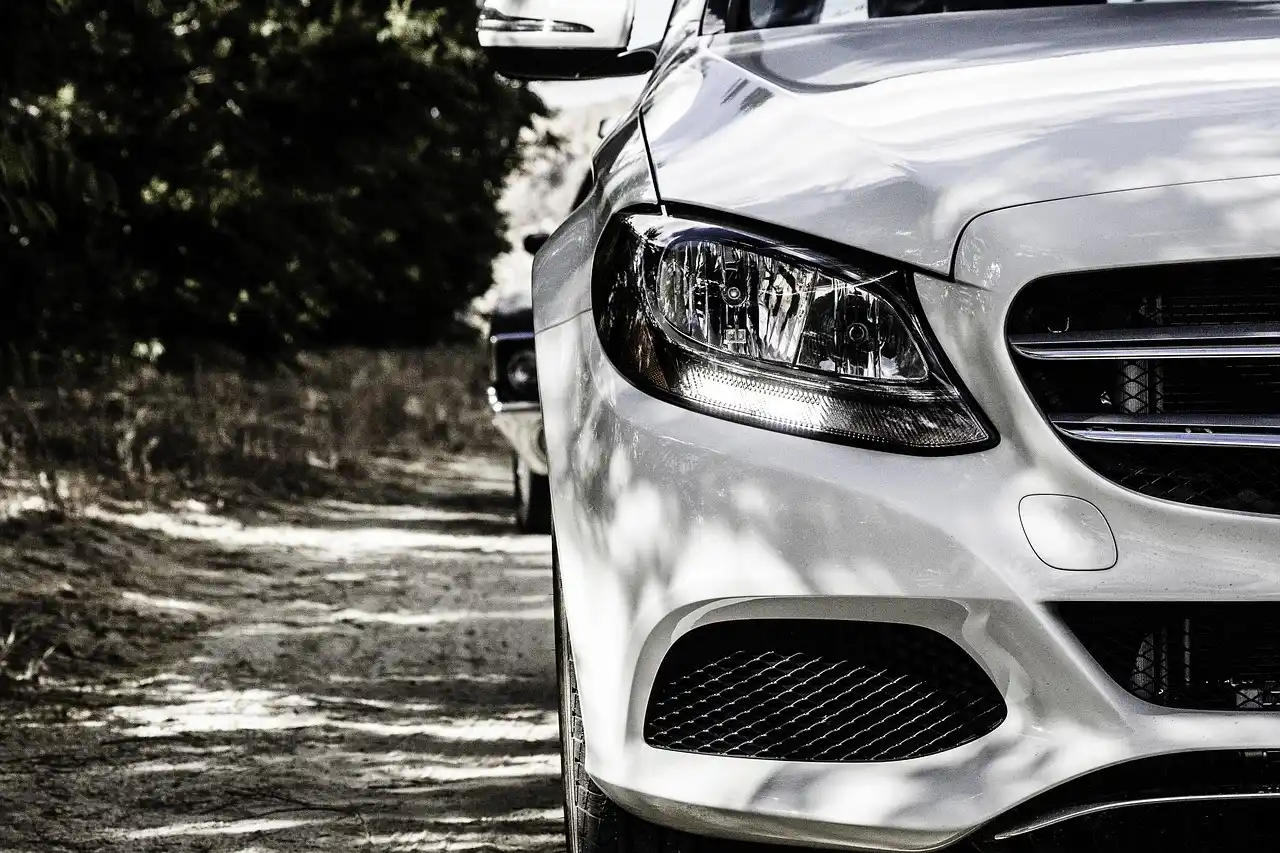
Use this table to match prep to condition, sale type, and the kind of photo problem you actually have. The goal is to spend enough to fix the visible issue, then stop before the returns flatten out. If the car already photographs well, the cheapest sensible prep is usually the right call.
| Condition | Sale type | Photo issue | Minimum prep | Optional upgrade | When the spend is not worth it |
|---|---|---|---|---|---|
| Clean commuter | Private sale | Light dust, minor wheel grime, normal interior wear | Wash, vacuum, glass cleaning, tire cleanup | Full detail if the paint looks flat or the cabin looks tired | If the car already looks clean in photos and the sale price is modest, a full detail may not pay back better than a strong wash and tidy interior |
| Dirty family SUV | Private sale | Stained trim, crumbs, cloudy glass, heavily used cargo area | Full detail | Level 2 if paint is also dull or lightly scratched | If the SUV is very low value and the body has major dents or deep scratches, spend less on cosmetics and more on basic cleanliness |
| Darker car with visible swirls | Private sale | Swirl marks, dull reflections, hazy paint in sun or overcast | Wash and decontamination | Level 2 paint correction with polish | If the car has deep scratches, chips, or dents, correction will not fix those and the extra spend may not change buyer response much |
| Any condition | Trade-in | Minor dust or light interior clutter | Basic wash and interior cleanup | Only if the car is unusually dirty or the deal depends on presentation | If the dealer will appraise it quickly and the car is already presentable, a full detail is often more than you need |
Example: a clean commuter with no major defects may only need a wash, interior vacuum, and glass cleaning. Example: a dirty family SUV with food stains and packed cargo space usually needs a full detail before photos. Example: a darker car with visible swirls can justify paint correction because the issue shows clearly in reflections.
Use the matrix as a spending filter. If the car is low value, heavily damaged, or already presentable, do not keep adding cosmetic work just because it sounds better. The right decision is the one that fixes the visible problem without chasing returns that the market is unlikely to reward.
Which detail level should you choose?
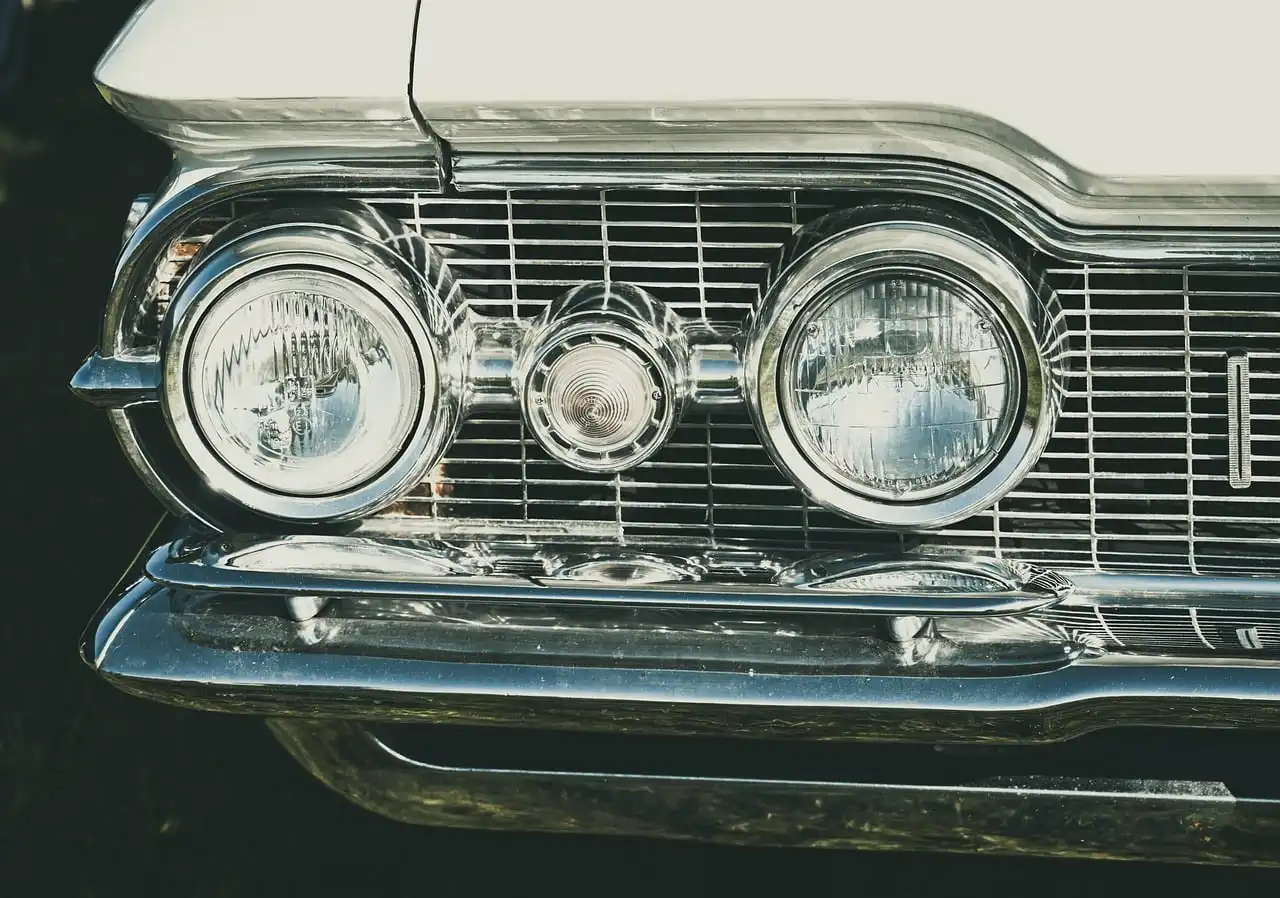
Choose the lowest prep level that fixes the visible problem. A basic wash works for a car that is already clean enough. A full detail fits a car that needs a real reset. Paint correction helps when the paint itself is the problem, not just the dirt on top of it. Level 3 ceramic detail is usually more than most people need before selling.
Use the detail level as a framework, not a package to buy automatically. Full detail, Level 2 detail, and Level 3 ceramic detail each solve different problems, and the best choice depends on the car’s condition, the sale channel, and whether the goal is simply cleaner photos or a stronger cosmetic presentation overall.
Basic wash and interior cleanup
Start here if the car is already decent and the main goal is better photos. Clean the exterior, vacuum the cabin, wipe the dust, and clean the glass. This is often enough for lower-value cars, trade-ins, or cars that only need a better presentation, not a full cosmetic reset.
Do not spend full-detail money when the car already looks clean in normal listing light. A basic prep can give you the look you need without overpaying for upgrades that buyers may not notice. This is the safest route when the car is mostly presentable and the listing problem is minor.
Full detail before listing
A full detail includes a hand wash and clay bar, a layer of wax or sealant by hand, wheels and tires, windows inside and out, and the full interior. It takes about 4 hours. For many private-sale listings, that is the middle ground between a quick wash and a more expensive correction package.
This level makes sense when grime, dull trim, and a tired cabin are getting in the way of the photos. It is also the right choice when you want the car to look easier to show in person, not just easier to advertise. For most sellers, this is the strongest all-around reset before a listing goes live.
Paint correction or ceramic detail
Level 2 adds a 1 step compound and polish, removes small scratches, and can bring back depth and color. It may also include a 1 year ceramic coating, rain repellent on the windows, and sap and tar removal. Choose it when light swirls or dull paint are the main issue and the car is worth the extra spend.
Paint correction helps with light swirls and dull paint. It does not fix dents or deep scratches. Level 3 goes further with 3 step correction and a 3 to 5 year coating, but it is usually not for a sale unless the car is high-value and the paint is a major selling point. In lower-value or damaged cars, that is the point to stop spending.
What should you clean yourself before photos?
You can handle several high-impact items yourself before spending on a detail. Focus on what appears in the first photos: glass, wheels, visible trash, floor mats, and surface dust. If the car is already clean and you only need better presentation, a careful DIY cleanup may be enough to improve the listing.
DIY prep is especially useful when the sale channel does not justify a larger cosmetic spend. If the listing is for a trade-in or a lower-value car, the practical goal is to make the car look orderly and easy to evaluate, not to chase a near-showroom finish.
Do this before paying for more prep
Remove trash and clutter. Empty cup holders, seat pockets, and the cargo area. Buyers notice loose items immediately in interior photos, and clutter makes the car feel less cared for.
Vacuum the visible areas. Hit the seats, floor mats, cargo floor, and door pockets. A quick vacuum changes the cabin look more than random touch-ups because it removes the dirt that camera lenses catch so well.
Clean the glass thoroughly. Wipe the windshield, side glass, and rear glass inside and out. Streaky glass can ruin even a clean car, especially when light hits the windshield in exterior shots.
Wash the wheels and tires. Tires and wheel faces sit in nearly every exterior photo. If they are dark with brake dust or road film, the whole car looks neglected even when the paint is clean.
Remove obvious surface spots. Deal with bird droppings, sap, and tar before photographing the car. Those blemishes stand out in close-ups and make the listing look rushed.
Do not overdo shine products on the tires. Too much tire shine can create glare in photos and make the sidewalls look greasy. The goal is clean and even, not glossy to the point of distraction.
How soon before I take listing photos should I detail the car?
Take the photos soon after cleaning, while the car still looks fresh and before dust, water spots, or road film return. A same-day or next-day photo session is often best. The longer you wait, the more the detail benefits fade, especially on glass, wheels, and dark paint.
Timing matters because presentation changes quickly once the car is outside again. If the goal is stronger listing photos, the work should happen close enough to the shoot that the cleaned surfaces still look fresh. That is where the visual payoff is easiest to capture.
Best timing after cleaning
If you are paying for a detail, schedule the photos right after the car is finished or on the same day. That is when paint reflection, tire appearance, and glass clarity are at their best. A long delay can undo the visual benefit before the listing even goes live.
Do overcast days really help car listing photos?
Yes. Overcast light often helps car photos because it reduces glare and softens reflections. That is useful on glossy paint, glass, and chrome. Bright sun can work, but it tends to exaggerate swirl marks, streaks, and panel reflections that distract from the car itself.
Overcast conditions are especially helpful when the car has surface imperfections that become more obvious in hard light. Soft, even light keeps the photos from looking harsh and helps the listing feel cleaner without changing the car’s condition.
Frequently asked questions
Is detailing a car before listing photos actually worth it?
For most private-sale listings, yes. Detailing is most useful when the car has visible grime, dull paint, stained trim, or neglected wheels. For a trade-in, the payoff is usually lower. The right call depends on the car’s condition, sale channel, and whether the photos need a real visual reset.
How much better do listing photos look after a detail?
They usually look cleaner, brighter, and more trustworthy, but the exact gain depends on the car. The biggest jump comes from fixing dirty paint, cloudy glass, and grimy wheels. If the car was already clean, the difference may be subtle and mostly visible in close-up shots.
What parts of a detail matter most for car photos?
Paint, glass, wheels, tires, and the front seats or dashboard matter most because they appear in nearly every listing set. A clean exterior helps the car read well at thumbnail size, while clean glass and wheels reduce visual noise. Interior cleanliness matters most in cabin photos and walkaround shots.
What can detailing fix before selling a car?
Detailing can remove dirt, film, light contamination, and some small surface defects. Level 2 work can help with light swirls and dull paint, and it can remove small scratches to a degree. It can also make the cabin, wheels, and glass look much better for photos and in-person viewing.
What can detailing not fix before listing photos?
It will not fix dents, deep scratches, or mechanical issues. It also will not turn a worn car into a new one. Detailing improves presentation, but it cannot erase structural damage or major paint defects, and buyers will still notice those problems during inspection.
Should I choose a basic detail or paint correction before selling?
Choose a basic detail if the car is already clean and the main issue is presentation. Choose paint correction if light swirls and dull paint are hurting the way the car looks in photos, especially on darker paint. If the car has deep scratches or dents, correction is not the fix.