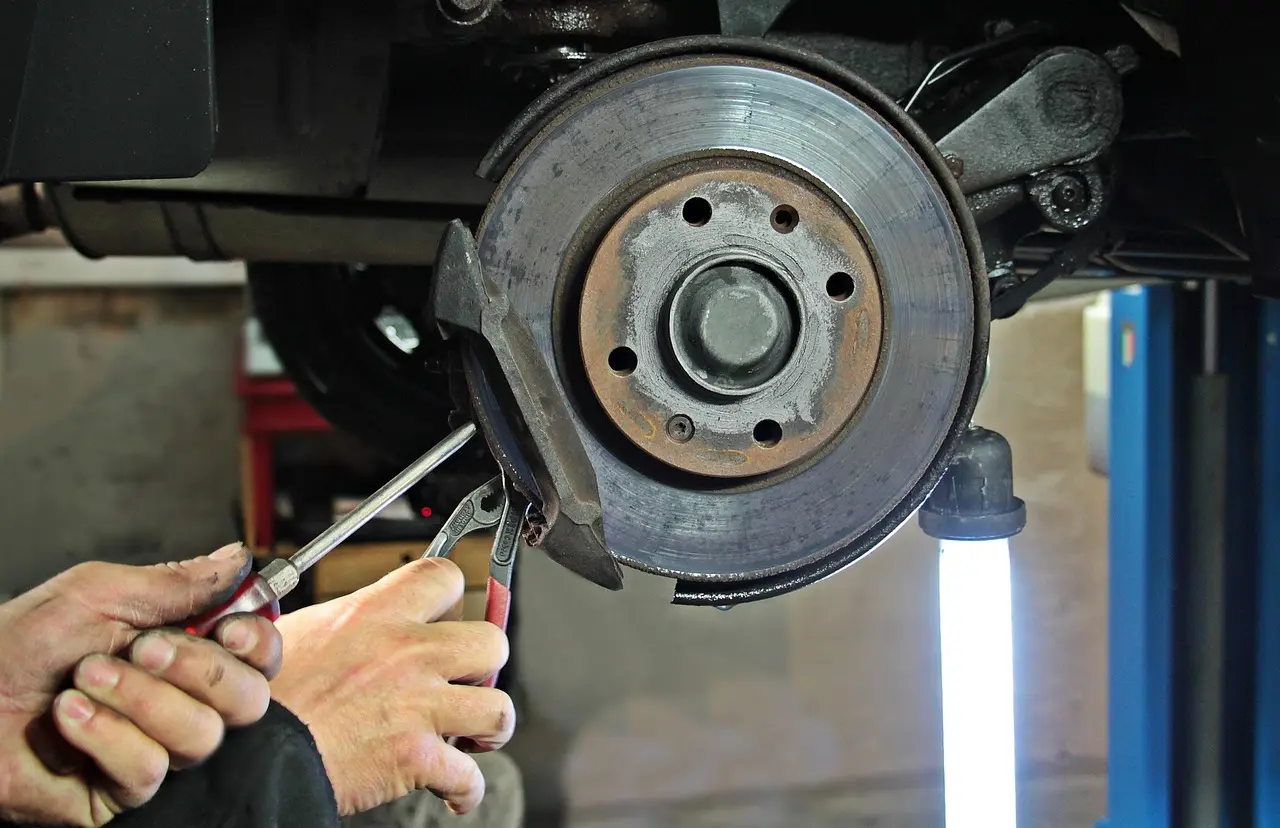
Used Car Inspection Checklist for Private Sellers and Dealers
Start with the VIN, title, registration, and recall status before you spend money on detailing or minor repairs. Then compare the odometer reading, title branding, and paperwork for mismatches. NHTSA recalls, state title records, and history reports are the fastest way to catch sale-stopping problems early, before they become a price dispute.
What should a seller check first?
Use a used car inspection checklist before listing or trade-in: fix safety faults first, disclose anything material, and price-adjust for major wear, because missed issues can kill a sale, trigger disputes, or cut your offer. Ignoring it often means wasted prep money and a weaker negotiating position. This guide covers the seller-side checks for body, tires, brakes, lights, fluids, paperwork, and test-drive warnings.
Start with the VIN and paperwork. The VIN is the 17-character identifier on the dash, door sticker, and title, and it lets you check history and recall status, including title brands and odometer records that may appear on a history report or state DMV record. Then compare the title, registration, and odometer reading so you catch mismatch problems before you list the car or send it to trade.
Next, check recalls through the NHTSA recall database with a free VIN search. Open safety recalls should be completed before sale or negotiated into the deal. That step matters because a buyer can use an open recall to press for a lower price or walk away entirely. (Nhtsa)
Inspection triage matrix
Use this table as a seller-side filter. Cosmetic items may be fine to disclose and price-adjust. Safety, title, and major mechanical problems usually need repair or a hold on the listing until the issue is resolved. The threshold language matters: if the condition meets the row description, treat it as a real buying concern, not a vague note.
| Inspection item | Severity | Likely buyer reaction | Recommended seller action |
|---|---|---|---|
| VIN plate, dash VIN, door-jamb label, title, or registration mismatch | High | Walk away or demand proof | Hold |
| VIN label missing, tampered, peeled, riveted wrong, or unreadable | High | Fraud concern | Hold |
| Open safety recall on the VIN | High | Price pressure or delay | Repair |
| Salvage, rebuilt, flood, junk, or lemon-law branded title | High | Heavy discount or no sale | Disclose |
| Odometer disclosure missing, altered, exceeded, or branded “not actual” | High | Fraud concern | Hold |
| Duplicate title pending, title not in hand, or replacement title recently issued without explanation | High | Delay or distrust | Hold |
| Lien shown on title or loan not released | High | Transaction delay | Hold |
| Flood clues: wet carpet under mats, musty odor, silt in crevices, waterline marks, corrosion under seats | High | Walk away or steep discount | Hold |
| Panel gap visibly wider than adjacent side | Medium | Crash-repair concern | Disclose |
| Paint mismatch or overspray on trim, seals, or hardware | Medium | Repaint concern | Disclose |
| Rust on rocker panels, frame rails, or suspension mounts | High | Safety concern | Hold |
| Rust in wheel wells or on door bottoms with bubbling through paint | Medium | Discount request | Price-adjust |
| Undercarriage corrosion with flaking metal or weakened mounts | High | Walk away | Hold |
| Engine oil low, dirty, or overdue beyond normal service interval | Medium | Maintenance concern | Repair |
| Milky or foamy engine oil | High | Mechanical fear | Hold |
| Burnt, dark, or metallic transmission fluid | High | Transmission concern | Hold |
| Coolant loss, oil in coolant, or coolant in oil | High | Repair demand | Hold |
| Brake fluid below the minimum mark or visibly dark/contaminated | Medium | Service concern | Repair |
| Power steering fluid leak or reservoir below the minimum mark | Medium | Negotiation point | Repair |
| Check engine light stays on after startup | High | Walk away or deep discount | Hold |
| ABS light stays on after startup | High | Safety concern | Hold |
| Airbag light stays on after startup | High | Safety concern | Hold |
| Warning lights never illuminate at key-on | High | Bulb-out or tamper concern | Hold |
| Tread at or near wear bars across a tire | High | Price reduction | Repair |
| Uneven tire wear, cupping, feathering, or inner-edge wear | Medium | Alignment concern | Repair |
| Mixed tire brand, size, or load rating on the same axle | Medium | Condition concern | Price-adjust |
| Missing spare tire, jack, or inflator where standard for the model | Low | Minor discount | Disclose |
| Brake pulsation, grinding, or metal-on-metal noise | High | Safety concern | Hold |
| Brake pedal sinks, feels soft, or requires excessive travel | High | Safety concern | Hold |
| Steering pull, shimmy, or vibration above city speeds | Medium | Suspension concern | Repair |
| Hard starting, stalling, or repeated restart needed | High | Reliability concern | Hold |
| Service records missing or incomplete | Low | Lower offer | Disclose |
| Odometer history mismatch between report, dash, or title | High | Fraud concern | Hold |
| Cabin odor from smoke, mold, mildew, or heavy fragrance cover-up | Medium | Discount request | Price-adjust |
Read the severity column this way: high means the issue can change the buyer’s decision, not just the price. Medium means the car may still sell, but the defect will likely affect the offer. Low means disclose it if asked, or note it up front so the buyer does not use it as surprise bargaining later.
Use three actions only: repair if the issue is cheap to fix and affects confidence, disclose if the item is visible or material but not urgent, and hold if the problem touches safety, title, or major mechanical health. A seller who sorts defects this way spends money where it matters.
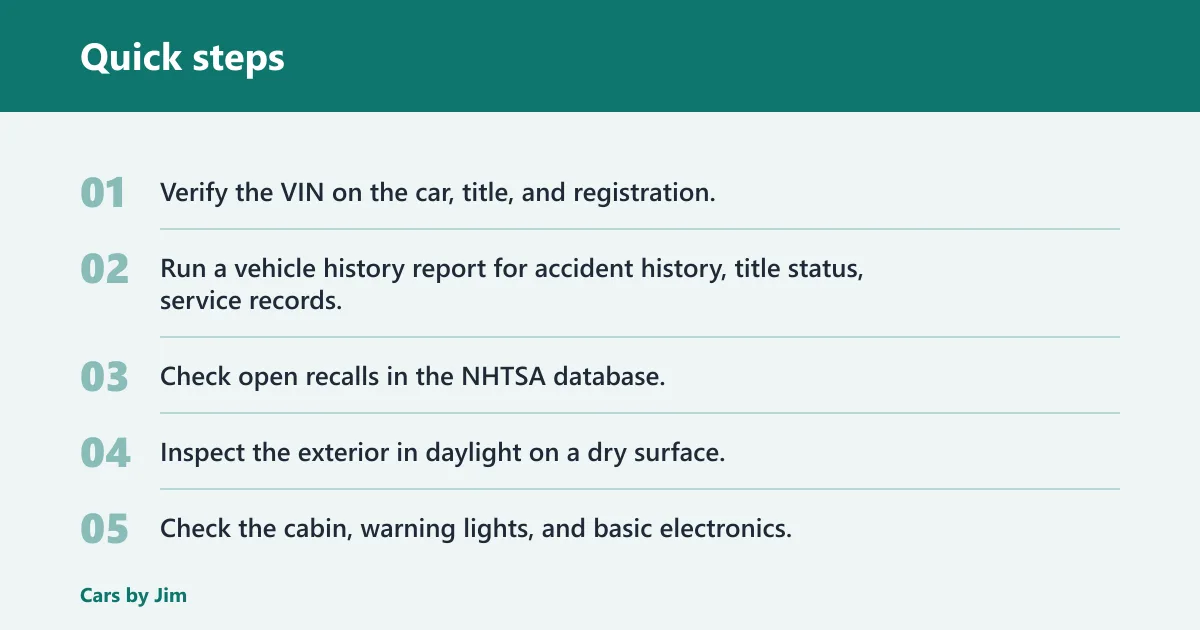
- Verify the VIN on the car, title, and registration.
- Run a vehicle history report for accident history, title status, service records, number of owners, odometer readings, and recalls.
- Check open recalls in the NHTSA database.
- Inspect the exterior in daylight on a dry surface.
- Check the cabin, warning lights, and basic electronics.
- Look under the hood for fluid levels, leaks, and contamination.
- Check tires, brakes, and the spare tire.
- Road-test the car and note startup, braking, steering, shifting, and highway behavior.
- Decide whether to repair, disclose, price-adjust, or hold the listing.
What should be on a used car inspection checklist for a private seller?
A private seller needs a checklist that separates normal wear from issues that change price or stop a sale. The main areas are exterior, interior, under the hood, tires and brakes, paperwork, and test drive. That keeps the prep focused and helps you avoid overpaying for cosmetic fixes that will not raise the offer. If you are trying to estimate a realistic asking price, private seller value should be based on condition, not wishful thinking.
Exterior walkaround checks
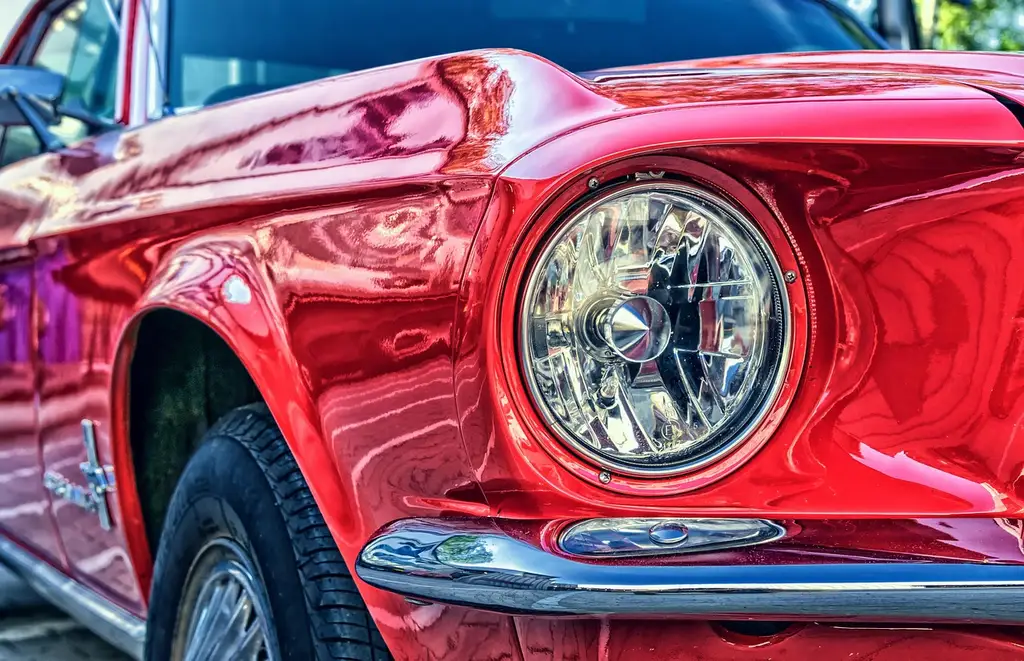
Inspect the car in daylight on a dry surface. Check panel gaps, paint mismatch, overspray, dents, chips, missing trim, broken lights, cracked glass, mirror damage, and rust. Uneven panel gaps can point to prior body damage or poor repair, while mismatched paint may mean a repaint. State DMV title records and history reports can help confirm whether a visible repair lines up with prior damage.
Rust deserves a close look on rocker panels, wheel wells, door bottoms, the undercarriage, and frame areas. Surface rust can be cosmetic, but rust that flakes, spreads, or weakens structural metal is a different matter. Picture a sedan with rust blistering along both rocker panels and holes forming near the rear jack points; that is a hold-the-listing problem, not a simple detail job.
Interior and electronics checks
Check the seats, belts, headliner, carpet, mats, dashboard, and odor level. Look for torn upholstery, wet carpet, mildew, smoke smell, broken switches, nonworking windows, and faulty locks. Then key the ignition on and confirm the warning lights illuminate and go off after startup, including the check engine, ABS, and airbag lights. That key-on bulb check is basic owner-manual guidance on many vehicles and helps spot missing bulbs or tampered clusters.
Suppose the airbag light stays on after startup and the seller hoped to call it a “small bulb issue.” That is a bad assumption. Safety warning lights should be treated as a repair or a hold, because buyers will expect a diagnostic explanation before they trust the car.
Under-hood and fluid checks
Check engine oil, coolant, transmission fluid, brake fluid, and power steering fluid. Look for low levels, dirty fluid, leaks, swollen hoses, cracked belts, battery corrosion, and damaged wiring. Milky or foamy engine oil can point to head gasket trouble, and burnt transmission fluid can indicate transmission wear. Those are common seller-side red flags because they often imply more than routine maintenance.
If you see fresh oil around the valve cover or a coolant stain below the radiator, treat it as more than a cleanup item. A buyer will usually assume the leak is active until proven otherwise.
Tires, brakes, and road-test checks
Check tread depth and note uneven wear, cupping, or feathering. Tires at or near the wear bars should be treated as a replacement-level issue, not just a cosmetic note. Uneven wear often points to alignment or suspension issues. All four tires should ideally match in brand and size, and the spare tire should be present and usable. Brake feel matters too, along with noise, pedal travel, and any pull under braking.
During the drive, watch for startup hesitation, rough idle, slow shifts, flare between gears, steering vibration, and highway-speed shake. The checklist should include a road test on surface streets and at highway speed, since some issues may only show up at higher speeds.
How do you inspect the exterior?
Use the outside of the car to look for evidence of body repair, rust, and wear that buyers will spot fast. The goal is not cosmetic perfection. The goal is to identify defects that need repair, disclosure, or a price adjustment before the vehicle is shown. A clean title does not erase visible body clues.
Panel gaps, paint mismatch, and overspray
Walk around the car and compare the spacing around the hood, doors, fenders, trunk, and bumper covers. Uneven gaps can indicate prior body damage or poor repair. Check for paint mismatch between panels, texture differences, overspray on rubber trim, or paint in places it should not be. A gap that is visibly wider on one side than the other should be treated as a body-history clue.
A common first-timer mistake is to polish one panel and ignore the next one. That can make a repaint more visible, not less. If a front fender looks newer than the hood and the gap at the door is wider on one side, disclose the repair history and expect a pricing question.
Rust, glass, lights, mirrors, and trim
Inspect the lower body, wheel arches, door bottoms, and undercarriage for rust. Check the windshield, side glass, tail lamps, headlights, mirrors, wiper arms, badges, and molding. Cracks, fogging, missing clips, and broken lenses are all negotiation points even when the car still drives fine.
Frame rust is the line where a simple sale can turn into a problem. If corrosion is deep enough to affect structure, suspension mounting, or safety, the better action is to hold the listing and get an independent opinion before proceeding.
How do you inspect the interior and cabin systems?
The cabin tells buyers how the car was treated. Check for wear, stains, water intrusion, smoke odor, damaged seat controls, broken belts, and dead accessories. Then verify that every basic system works as expected, because a dead switch or warning light can become a discount request fast. Flood clues usually show up here first.
Seats, belts, headliner, carpet, and odors
Look for torn bolsters, broken seat tracks, sagging headliner material, damp carpet, and stained upholstery. Pull the floor mats and feel for moisture. A mildew smell can point to flood exposure, clogged drains, or water leaks, all of which are more serious than normal age wear. Wet carpet under mats or silt in seams should trigger a hold until the source is explained.
Windows, locks, infotainment, HVAC, and accessory switches
Test every window, lock, mirror adjustment, infotainment function, heater, A/C, defroster, dome light, and accessory port. If a feature is intermittent, note it now. Buyers often test the same items during a short visit, and one dead switch can trigger a bigger inspection of the whole car.
Warning lights at key-on and after startup
Turn the key on and watch the dash. Warning lights should illuminate at key-on and then go off after the engine starts, except for items that are actively reporting a fault. If the check engine, ABS, or airbag light stays on, the issue should be fixed or disclosed before the car is listed. If the lights never illuminate at key-on, that can indicate bulb removal, cluster tampering, or an electrical issue.
How do you inspect under the hood?
Under the hood, the seller is looking for maintenance clues, fluid problems, and signs that the car may need more than routine prep. This is where a history report and a quick visual check meet. A clean engine bay is nice, but a clean bay with hidden leaks is not enough. Owner-manual service intervals also matter because overdue maintenance can change how a buyer values the car.
Fluids and contamination
Check engine oil, coolant, transmission fluid, brake fluid, and power steering fluid. Look at color, level, and smell if the design allows a safe check. Milky or foamy engine oil is a possible head gasket failure sign. Burnt transmission fluid suggests wear, heat, or neglected service. Dark brake fluid below the minimum mark deserves disclosure or service, depending on age and condition.
Battery, belts, hoses, and visible leaks
Inspect the battery case, terminals, belt condition, hose softness, clamps, and the area below the engine for fresh drips. Cracked belts, bulging hoses, and crusty residue around hose ends are all worth noting. If a leak is active enough to leave a wet spot after parking, that is not a “detail later” item.
Signs of poor maintenance or damage
Look for missing caps, taped hoses, broken air box clips, loose fasteners, and signs of recent but sloppy repair. That can point to deferred maintenance or a rushed fix. If the oil is low and the service records are missing, disclose both together rather than letting the buyer discover them separately.
What should a dealer inspect before listing inventory?
A dealer should use the same checklist, but with tighter lot-readiness rules and consistent reconditioning triage. The point is to decide which units are ready, which need repair, which need disclosure, and which should not be merchandised yet. A repeatable process keeps the inventory from getting different treatment by different people. It also makes title, recall, and condition decisions easier to defend.
Reconditioning priorities and lot-readiness checks
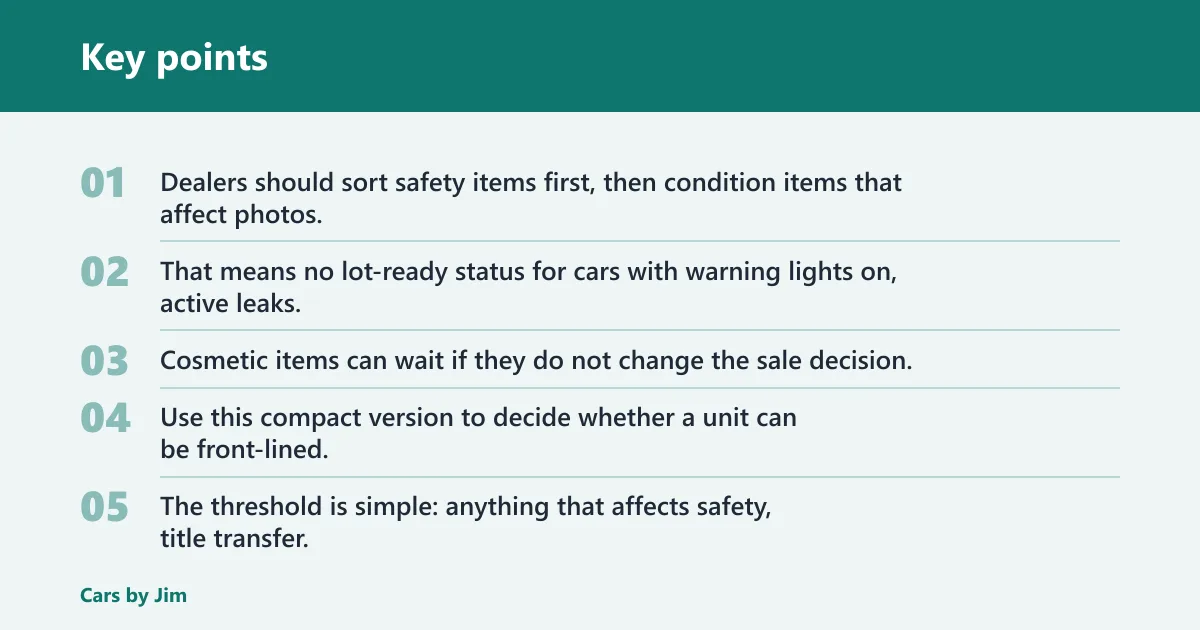
Dealers should sort safety items first, then condition items that affect photos, driveability, or buyer trust. That means no lot-ready status for cars with warning lights on, active leaks, unsafe tires, obvious rust damage, flood clues, open recalls, or incomplete paperwork. Cosmetic items can wait if they do not change the sale decision.
Dealer-only recon checklist
Use this compact version to decide whether a unit can be front-lined, should go to reconditioning, or should be held. The threshold is simple: anything that affects safety, title transfer, or basic driveability is not a front-line item until fixed or documented.
| Recon item | Front-line ready when… | Hold or send to recon when… |
|---|---|---|
| Title and VIN | VIN matches title and label locations, lien released | Mismatch, missing title, or duplicate-title issue |
| Recalls | No open safety recall affecting sale readiness | Any open safety recall remains unresolved |
| Warning lights | All lamps behave normally at key-on and after startup | CEL, ABS, or airbag light stays on after startup |
| Tires | Tread is above wear bars and wear is even | Tread at/near wear bars or wear pattern is abnormal |
| Brakes | No pulsation, grind, pull, or soft pedal | Any of those symptoms appear on road test |
| Fluids | Levels and color are normal | Milky, burnt, contaminated, or visibly leaking fluid |
| Body | Minor cosmetic flaws only | Panel gap changes, structural rust, or flood clues |
| Paperwork | Title, odometer disclosure, and release documents are complete | Any document is missing, altered, or inconsistent |
Consistency across inventory
Use the same inspection steps for every unit so condition notes are comparable. A small scratch on one car and a large scratch on another should not be labeled the same way. Consistent notes help price the car correctly and reduce arguments when the vehicle goes from recon to front line.
When to send the car for an independent mechanic inspection
If the condition affects the purchase decision, send the car to an independent mechanic before sale. That step is separate from the history report and recall check. It is most useful when a warning light stays on, fluids are contaminated, the transmission feels wrong, rust looks structural, flood clues appear, or the seller cannot explain a mechanical symptom with confidence.
A common first-timer mistake is to rely on a clean vehicle history report and skip the mechanic check. History reports help, but they do not replace a fresh inspection of the car in front of you. A car can have a clean report and still need brake work, a suspension repair, or major fluid service.
What paperwork should be checked before selling a used car?
Check the title, registration, VIN, odometer reading, service records, recall status, and any lien release before the first listing photo is taken. The paperwork should match the vehicle exactly. If it does not, fix that before meeting a buyer, because document problems can kill trust faster than a cosmetic flaw. Title brands, odometer statements, and lien status are not optional details.
Title brands, lien release, and duplicate-title issues
Look for salvage, rebuilt, flood, junk, fire, or lemon-law branding on the title and history report. State DMV terminology varies, so the exact wording on a branded title should be checked against your state’s title office before the vehicle is listed. If a lien appears, get the release paperwork before closing. If the title is duplicate, replacement, or recently reissued, explain why and verify ownership chain before proceeding.
Odometer disclosure and mileage mismatch
Compare the odometer, title, registration, and vehicle history report. A mismatch, rollback indication, or “not actual mileage” brand should trigger a hold. The buyer needs the odometer disclosure to match the actual reading or the proper legal notation. If the numbers do not align, stop and sort it out before the car is advertised.
VIN label mismatch locations to check
Confirm the VIN in the common locations the buyer and the paperwork will use: dash plate, driver-door jamb label, title, registration, and any under-hood or frame stamp the model uses. A mismatch between these locations is not a minor typo. It can indicate replacement parts, prior damage, or a documentation problem that needs to be resolved before sale.
Flood, salvage, and disclosure red flags
Flood signs are especially important because they can hide under mats, trim, and carpets. Wet carpet under mats, musty odor, silt, corrosion under seats, and electrical glitches should trigger a hold. Salvage and rebuilt vehicles can still be sold in some markets, but the title brand must be disclosed, and the price should reflect the market penalty. Buyers often react more strongly to flood history than to visible cosmetic wear.
Frequently asked questions
What should a dealer inspect on a used car before listing it?
A dealer should inspect the same core areas, then add lot-readiness and reconditioning timing. Safety faults, open recalls, warning lights, structural rust, flood clues, and paperwork problems should stop the car from being front-lined. Cosmetic flaws can be priced and disclosed, but they should not be ignored across inventory.
Which used car issues are red flags for sellers and dealers?
Red flags include VIN or title mismatch, open recalls, check engine or airbag lights that stay on, milky or foamy oil, burnt transmission fluid, structural rust, flood clues, uneven panel gaps after a crash, and odometer history issues. These are the defects most likely to trigger a walk-away or a hard price cut.
How do I know if a used car needs a mechanic inspection before sale?
Send it to a mechanic when a safety issue, major fluid problem, warning light, transmission symptom, flood clue, or rust concern changes the sale decision. A history report cannot confirm current mechanical condition. If the car has a symptom you cannot explain clearly, a pre-sale inspection is the safer move.
What should I look for during a used car test drive?
Watch for startup hesitation, rough idle, brake vibration, steering pull, transmission flare or harsh shifts, suspension noise, and highway-speed shake. Also note whether warning lights appear or return after driving. The test drive should confirm that the car behaves normally under light and moderate load.
What tools do I need for a basic used car inspection?
A basic kit can be simple: a flashlight, a tire tread gauge or penny for tread checks, a clean rag, gloves, a note pad, and the VIN history printout or saved report. You also need daylight, a dry surface, and enough time to compare the car with its paperwork carefully.
What should be in a compact tools checklist for a seller?
Keep the list short and practical: flashlight, tread gauge, tire-pressure gauge, paper towels or rag, disposable gloves, notepad or phone notes, and the vehicle history report. Add the owner’s manual if available, because it confirms the normal warning-light behavior and maintenance intervals for that specific model.