How to Check a Car’s Accident History by VIN
Check a car’s accident history by running the VIN through at least two history sources, then confirming any damage with paint, panel, and repair checks. One report can miss repairs, overstate value, or hide structural damage. This guide shows how to compare VIN reports, inspect body clues, and ask the seller for records so you can separate reported, hidden, and repair-only crashes.
What a VIN can reveal
A VIN is a 17-character vehicle identifier. You can find it at the base of the windshield, on the driver’s door jamb, and on registration or insurance paperwork. Used car reports can pull accident records, title brands, mileage history, theft records, ownership history, service and inspection entries, and recall status.
A clean title is not the same as no accident history. A car can have collision repairs, insurance claims, or auction damage notes and still carry a normal title if the event did not trigger branding. That is why the VIN report is a starting point, not the final word.
What history data can appear
- Accident records: reported collisions, sometimes with date and damage notes.
- Title brands: salvage, rebuilt, flood, junk, lemon, or similar labels, depending on market.
- Mileage history: readings that can expose rollbacks or suspicious gaps.
- Theft records: stolen, recovered, or related status events.
- Service and inspection records: entries that can support or challenge the seller’s story.
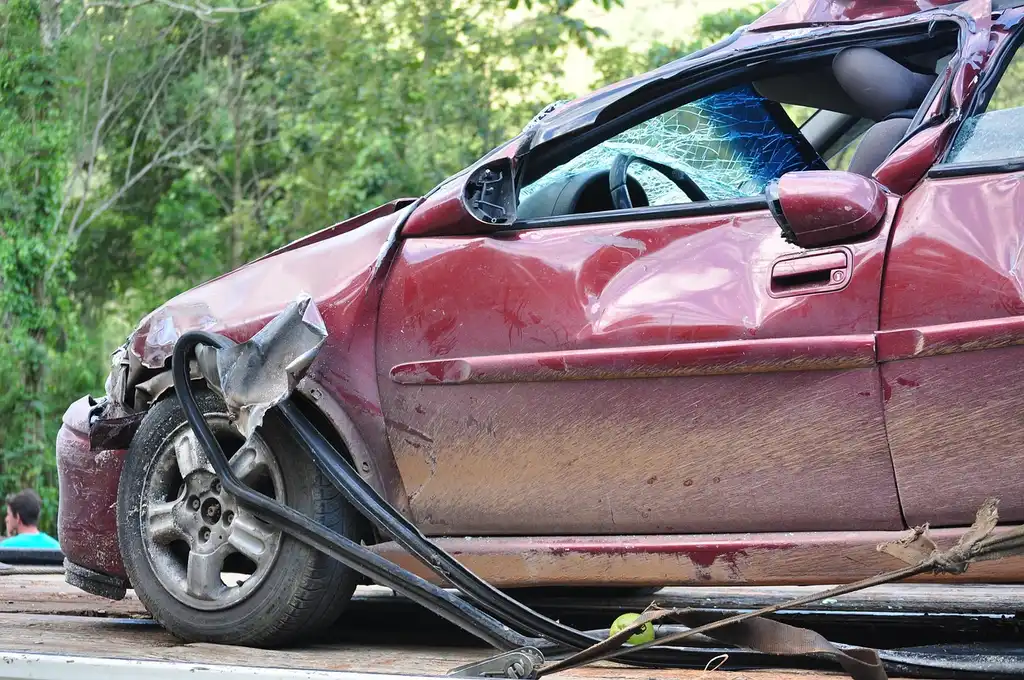
Run the VIN through at least two sources, then compare what matches and what is missing. A paid full report is usually more useful than a free decoder when the car costs real money, the records are thin, or the seller’s story depends on a clean-history claim. CARFAX says reports can be available instantly after payment and accessible online for 30 days.
Use multiple sources
One report can miss a collision because providers do not all draw from the same databases. The same source says it has access to more than 45 billion historical events and that its reports can include accident data from 32 countries. Bumper says it cross-references accident history against state, insurance, and auction records, and that it checks accident records from 44 state agencies.
- Enter the VIN in one major vehicle history report.
- Run the same VIN in a second provider or free VIN check.
- Compare accident dates, title events, mileage entries, and auction notes.
- Mark anything that appears in one report but not the other.
- Use the car’s body condition to confirm or challenge the report.
Compare report gaps and overlaps
If both reports show the same front-end collision and the same date range, treat that as stronger evidence than one isolated entry. If one report shows only a mileage jump and the other shows a repaired bumper, ask what happened in the gap. A mismatch does not prove fraud, but it does mean you need more proof before you buy.
If one report shows a minor rear impact, but the other is clean, do not ignore the damage. Inspect the trunk lid, quarter panels, and rear lamp mounts for overspray, uneven seams, or replaced parts.
Use a paid report when the history is incomplete
A free VIN check can be enough for a quick screen, but it is not enough for a final decision. Driver Easy notes that a stronger VIN decoder can return accident, title, mileage, and theft records. For a newer car, a high-priced trim, or any vehicle with thin records, a paid report is the safer baseline.
| Check type | Best use | Typical limit | Buying decision value |
|---|---|---|---|
| Free VIN check | Quick screen for title and basic status | Often incomplete accident detail | Low to moderate |
| Paid full report | Pre-purchase review | Still depends on source coverage | Higher, especially for higher-value cars |
| Physical inspection | Confirm or challenge report findings | Needs light, time, and attention | Critical when records are thin |
Where accident data comes
Accident history is compiled from multiple sources, and each source may cover only part of the car’s life. Insurance claims, state motor vehicle agency records, NMVTIS-linked title data, auction records, and provider databases can all feed a report. No single database sees everything, which is why records can be uneven across states and countries.
Insurance claim records
Insurance claims are a major source of reported collision data. They may exist even when the title stays clean, because many crashes do not trigger a branded title. A claim can show that damage was reported, adjusted, and repaired, but it may not tell you how severe the body damage was unless the report includes more detail.
State motor vehicle agency records and NMVTIS
State motor vehicle agency records can capture title and registration events at the state level. NMVTIS, the national vehicle history data system, is used by approved data providers to support title and brand verification. That helps, but it does not guarantee full accident coverage in every case or every market.
Auction records and condition reports
Auction records can be useful when a car passed through a salvage or dealer auction trail. They may include condition reports and historical photos when available. Those photos can reveal crushed panels, deployed airbags, flood lines, or body filler that a clean retail listing hides later.
The same source says a VIN decoder can return accident, title, mileage, and theft records, while NHTSA can show complaints, recalls, investigations, and manufacturer communications. That does not replace an accident report, but it adds another check on the car’s status and history.
Theft, service, and inspection data
Theft records help explain title changes and recovery events. Service and inspection entries can support mileage consistency or reveal body work timing. They are useful because a repair can appear in service records long before it appears in a mainstream accident report.
Can a car have accident history and still look clean on paper?
A car can still have accident history and appear clean if the damage was paid in cash, never filed with insurance, reported only to police, or recorded in a market or state with limited data coverage. The same source says unreported accidents are common, and it also notes that a clean accident history means no reported accidents were found, not that the vehicle was never in an accident.
Cash repairs and unreported collisions
If a driver pays out of pocket for a bumper, fender, or door repair, the event may never enter a database. That is especially common with low-speed impacts, parking lot hits, and older cars where the owner chooses a private body shop instead of filing a claim.
Police reports without insurance claims
Some collisions show up in a police report but never become an insurance claim. Others are handled through the insurer but never make it into the retail vehicle history report you buy. That is why you should not treat a blank report as proof of no damage.
A common first-timer mistake is to trust a clean report after seeing fresh paint on one fender. A 3-inch color mismatch near the wheel arch, plus overspray on the inner liner, is enough to justify a deeper inspection even when the report shows nothing.
Market and state coverage limits
Coverage varies by provider, state, and country. The same source says its reports can include accident data from 32 countries, but not every source or jurisdiction contributes the same details. A car imported from another market, or repaired before crossing state lines, can leave thin records and a false sense of safety.
Accident history checklist
Use this checklist after you review the VIN report and before you commit to a deposit. It turns report findings into a buying decision, which is the part many pages skip. Match the report to the body, the title, and the seller’s answers.
| If the VIN report shows X | Risk level | Next verification step | Decision |
|---|---|---|---|
| Clean report | Low to moderate | Inspect panel gaps, paint match, overspray, and glass stamps | Inspect further |
| Minor reported accident | Moderate | Ask for repair invoices and photos; inspect adjacent panels | Negotiate if repairs are tidy |
| Structural damage | High | Request frame, rail, or alignment records and a pre-purchase inspection | Walk away unless heavily discounted and fully verified |
| Airbag deployment | High | Confirm airbag module replacement and dashboard, belt, and sensor work | Inspect further; walk away if records are weak |
| Salvage or rebuilt branding | Very high | Review title paperwork, rebuild inspection results, and auction trail | Inspect further only if price and proof justify it |
| Auction photos show damage | Moderate to high | Compare the photos with current body lines and repair quality | Negotiate or walk away based on severity |
| VIN does not match the title | Critical | Stop and verify the VIN plates, paperwork, and seller identity | Walk away |
| No records but visible repair signs | Moderate to high | Ask for body-shop invoices, paint measurements, and prior photos | Inspect further; walk away if the story does not fit |
What to inspect on the car itself
If the report is clean or partly clean, the body should still get a careful look. Focus on the areas that reveal accident repair fastest: alignment, paint, fasteners, welds, and glass. Many hidden repairs leave small clues even when the car looks good from ten feet away.
Panel gaps and alignment
Check whether the hood, doors, trunk, and bumper gaps are even from side to side. A shifted gap near one headlamp or quarter panel can point to impact repair. Open and close each panel. Sticky hinges, rubbing edges, or a door that needs an extra push can point to poor alignment after a hit.
Paint mismatch, overspray, and tape lines
Look at the car in daylight, then again under strong angled light if you can. A patch of orange peel that does not match nearby panels, paint on rubber trim, or overspray on the wheel well can point to bodywork. Tape lines around trim pieces are another clue that one area was refinished.
Bolt marks, welds, and replaced glass
Factory bolts usually have consistent paint and tool marks. Fresh wrench marks on fender bolts or radiator support hardware can mean the panel was removed. Look for rough welds, uneven seam sealer, and replaced glass with stamps that do not match the rest of the car. A windshield or side glass date that is newer than the vehicle can support the repair story, but it does not by itself prove a crash.
Picture a sedan with a clean report, but the front bumper cover has overspray tucked behind the grille and the left fender bolt heads are scarred. That combination deserves a pre-purchase inspection before any deposit changes hands.
When to bring in a pre-purchase inspection
Bring in a pre-purchase inspection when the report is incomplete, the car is expensive, or the body clues do not match the seller’s story. A qualified inspector can check structural points, scan modules for stored crash codes, and confirm whether repairs were cosmetic or deeper. If the seller refuses that step, treat the refusal as a warning sign.
Frequently asked questions
How do I check a car’s accident history by VIN?
Run the VIN through at least two vehicle history sources, then compare accident entries, title brands, mileage, and auction notes. After that, inspect the body for mismatched paint, uneven gaps, overspray, and repair marks. If the report and the car do not agree, ask for proof before you buy.
What does an accident history report actually show?
An accident history report can show reported collisions, title brands, mileage history, theft records, ownership changes, and sometimes service or inspection entries. Some reports also include estimated repair costs, auction photos, or import information. It can help you screen risk, but it cannot prove the car has never been damaged.
Can I trust a clean accident history report?
Trust it as a starting point, not a final answer. A clean report means no reported accidents were found in that provider’s data, not that the car has never been hit. If the body shows fresh paint, replaced glass, or uneven panels, keep digging before you commit.
Why would an accident not show up on a vehicle history report?
An accident may stay off the report if the owner paid cash, never filed an insurance claim, or repaired the car outside a trackable network. Coverage also varies by state and country. That is why a clean report and a clean body should both be present before you treat the car as low risk.
Is a free VIN check enough to find accidents?
A free VIN check can catch basic red flags, but it is usually not enough for a purchase decision. It may miss accident detail, auction history, or title events. Use it for a first screen, then pay for a fuller report and inspect the car if the purchase is serious.
What should I look for on the car if the report is clean?
Look at panel gaps, paint match, overspray, bolt marks, welds, and glass stamps. Check the hood, doors, trunk, and bumpers in daylight if possible. If any repair clue shows up, ask for invoices, prior photos, and a pre-purchase inspection before you agree to the deal.