Test Drive Checklist for a Used Car
Use a used-car test drive checklist with a 1-5 severity score for each area, and walk away if one issue appears to point to engine, transmission, brake, airbag, or title trouble. Miss the signs and you could end up with a large repair bill or a car that is unsafe to drive. This guide gives you a symptom-first route, scoring sheet, and buy-negotiate-walk decision rules.
A quick loop around the block is poor for comparison and poor for diagnosis. A fixed route, a cold start, and the same notes for every car make trouble easier to spot and make one vehicle easier to compare with the next.
That matters because a test drive can expose a lot: rough cold idle, delayed shifts, brake pulsation, steering pull, wheel-bearing hum, wind noise at highway speed, poor control placement, and cargo compromises you will notice every day. It cannot replace a pre-purchase inspection, especially when a symptom points to drivetrain, chassis, or safety-system trouble.
Consumer Guide advises using city streets, faster roads, and rough pavement so you can watch how the vehicle behaves at neighborhood pace, around 45-55 mph, and at highway speed; checking acceleration from a stop, from a steady cruise, and on a merge ramp; judging ride quality over patched asphalt, expansion joints, and jarring bumps; assessing steering feel for over- or underboosting; and making both gentle and firmer stops to judge pedal response, straight tracking, vibration, and stopping force. The Week recommends using a checklist so each car is evaluated the same way, including the vehicle, paperwork, and other factors. That is the backbone of the process here.
What documents do you need to test drive a car?
Usually, you need a valid driver’s license, and you may need proof of insurance if the dealer or private seller asks for it. Some stores also require a photo ID match, a copy of your license, a staff ride-along, or a signed test-drive form before handing over the keys.
Dealer test drives
Most franchised and independent dealers ask for a driver’s license first. Some also ask for current insurance information, especially for longer drives, higher-value vehicles, or vehicles taken without a salesperson in the car.
Dealer policy can be stricter than state minimums. A store may limit the route, require a staff member to join, or decline a solo drive until basic numbers are discussed. That is separate from whether the car is worth driving.
Private-party test drives
Private sellers tend to be more cautious because the car is uninsured for random drivers in some situations, and the seller does not have dealership procedures to fall back on. Expect to show a license and possibly proof of insurance before any drive starts.
Some sellers will only allow the drive if they sit in the car. Others may ask to hold your keys or meet in a public place. A cash deposit is sometimes requested, but it is a seller choice, not a universal rule.
Insurance, deposits, and policy checks
- Bring your license. Carry the physical license, not just a phone image. If the name on the appointment and the name on the license do not match, the drive may stop there.
- Bring insurance proof. Keep a current card or app ready in case the seller asks. This matters more on private-party drives and on longer dealer routes.
- Ask about route rules. Before arriving, confirm whether highway driving, rough-road sections, or solo driving are allowed. A route restriction changes what problems you can uncover.
- Ask about deposits. If a dealer or seller mentions a deposit, ask whether it is refundable and what it actually reserves. Do not assume a deposit is needed just to drive the car.
What to pack for a used-car test drive
Bring a small, repeatable kit so you can focus on the car instead of scrambling for basics. The supporting guide to used-car test-drive packing explains which items matter most, from your driver’s license and proof of insurance to a phone, charger, flashlight, tire-pressure gauge, and a short notes checklist.
That matters because the right gear helps you compare cars fairly and catch issues that are easy to miss in a rushed drive. It also shows how to use each item at the dealership or with a private seller, so you can document what you see, keep your notes organized, and avoid judging one car more harshly just because you forgot a simple tool.
How long should a used-car test drive be?
A useful used-car test drive is long enough to include a cold start, city streets, highway speeds, different road surfaces, and a few steady-state minutes at each speed. If the route cannot cover those basics without rushing, the drive is too short to compare cars fairly.
Minimum time for a useful drive
A common rule of thumb is to aim for about 20 to 30 minutes if the seller allows it. Shorter can work only if the route is efficient and starts with a cold engine. Warmed-up, stoplight-only drives hide too much.
The route mix that exposes the most problems
Consumer Guide says to use a variety of road surfaces and different speeds. That means city streets for low-speed shifts and brake feel, a 45-55 mph stretch for steady-speed noise and tracking, a highway or merge lane for higher-speed response, and rough pavement for suspension behavior.
- Start on local streets. Use low-speed blocks first so the engine, transmission, brakes, and steering are observed before everything is fully warm. This is where idle flare, clunky first shifts, and parking-lot steering issues show up.
- Add a 45-55 mph section. Hold a steady speed and listen for tire roar, wheel-bearing hum, or driveline vibration. Light throttle at this speed also reveals hunting between gears or delayed kickdown.
- Use a highway merge. Check acceleration from a dead stop, from a steady cruise, and while joining faster traffic, exactly as Consumer Guide recommends. Passing response matters too, because weak throttle response under moderate load can point to powertrain or transmission problems.
- Include rough pavement. Find patched asphalt, expansion joints, or a jarring bump at normal speed. Consumer Guide calls out ride quality over jarring bumps and rough pavement for a reason: loose front-end parts and weak damping often speak up there.
- Finish with parking maneuvers. Back into a space, turn lock to lock at low speed, and try the controls. That final minute exposes camera issues, steering noise, visibility gaps, and seat or pedal-offset discomfort.
Why the best test drive starts with a cold engine
Many faults are louder or harsher in the first few minutes. A seller who warms the car before you arrive may simply be polite, but a warm engine also masks long cranking, startup smoke, noisy valvetrain, rough idle, and some charging or warning-light issues.
How much driving is enough to judge a used car?
A used-car test drive should usually run 20 to 30 minutes, and closer to 45 minutes is better if you can combine city streets, highway speeds, and parking maneuvers. That extra time matters because some problems only show up after the car warms up, such as transmission hesitation, brake issues, warning lights, or noises that cold starts hide.
The used car test drive guide breaks down what to check in the first 10, 20, and 30 minutes, plus a practical route plan when time is limited. It helps you use the drive efficiently so you can spot problems before you commit to buying.
What should you check before the wheels move?
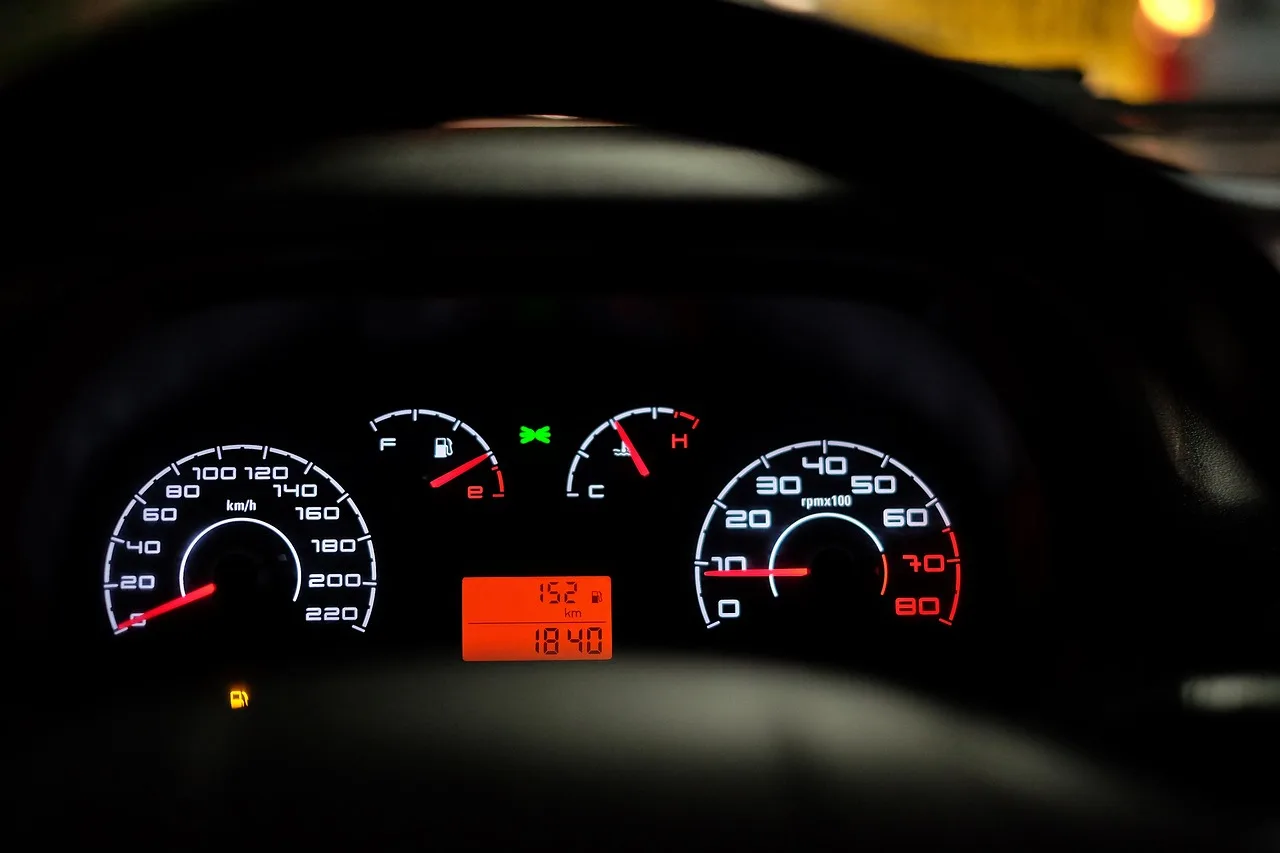
Before moving, check for cold-start clues, warning lights, idle quality, HVAC operation, seat position, sightlines, and control reach. Those first two or three minutes can reveal hidden trouble that a warmed-up drive will miss, and they also set up whether the car is comfortable and safe to evaluate properly.
Cold-start clues at first startup
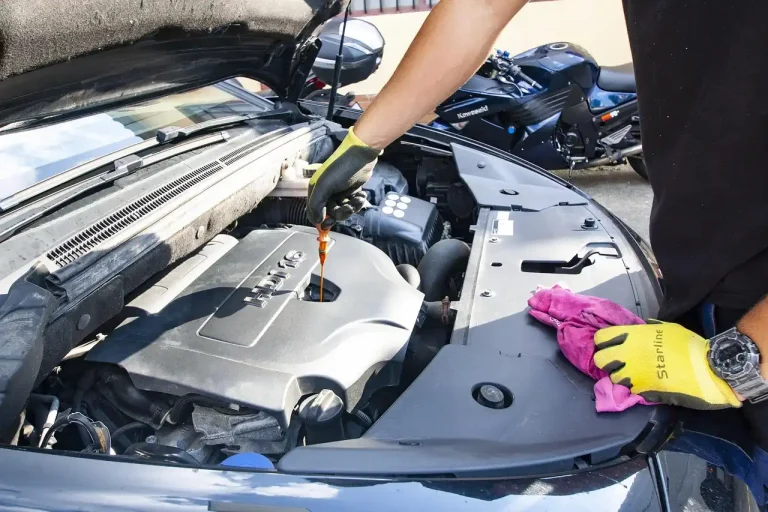
- Look before startup. Check whether the engine is actually cold by touching the hood carefully or noting whether the temperature gauge is at its cold mark. A pre-warmed car is not automatic bad news, but it does reduce what you can learn.
- Watch the warning lights. Turn the key or press the button to ignition-on and make sure the dash lights illuminate briefly. Missing airbag, check-engine, or ABS lamp checks can matter as much as a lamp that stays on.
- Start and listen. Notice crank time, idle speed, smoke, and any rattle or ticking in the first seconds. A clean startup is good; extended cranking, stumbling, or a metallic knock is a strong reason to stop and reassess.
- Let it idle briefly. With the radio off and climate fan low, feel for vibration through the seat and wheel. Uneven idle, surging, or a loud accessory squeal can point to engine, ignition, vacuum, or belt-drive issues.
Warning lights, idle quality, and HVAC behavior
Air conditioning and heat matter beyond comfort. If the blower only works on one speed, the compressor cycles oddly, or the defroster output is weak, the car may need more than a cheap switch.
Suppose a car starts cleanly but the idle hunts for the first minute and the check-engine light stays on. That does not identify the exact fault by itself, yet it changes the deal from “normal used car” to “diagnose before offer.”
Seat position, visibility, and control reach before driving
The same source says to check gauge and touchscreen legibility at a glance. Do that before the route begins, then check mirror coverage, steering-wheel adjustment, pedal offset, and whether common controls can be reached without leaning.
If the driving position is cramped or the windshield pillars block key sightlines, that is not a minor note. A car that forces poor posture or hides cross traffic will still do it on day 300.
How do you use the drive to find mechanical problems?
The best way to find used-car mechanical problems is to match each road section to a system: low speed for startup behavior and first shifts, moderate speed for straight tracking and noise, highway merging for power and transmission response, and rough pavement for suspension and wheel-bearing clues.
Acceleration and engine response
Consumer Guide includes acceleration checks from a stop, from cruising speed, and when merging. Add one more: passing response at legal speed. You want consistent throttle response, no stumble, no pinging, and no unusual vibration under load.
A sluggish car is not always broken. Some small engines, CVTs, hybrids, and tall-geared trucks simply respond differently. What matters is whether the response is consistent, clean, and free of flare, shudder, or misfire-like hesitation.
Transmission behavior under light and moderate load
Consumer Guide treats transmission behavior as a separate test-drive item, and that is exactly right. Smooth, timely shifts are the baseline. Hesitation, flare between gears, clunks into drive, shudder at light throttle, or harsh downshifts raise the repair-risk score fast.
- Check engagement first. With your foot on the brake, shift from park to drive and reverse. A hard clunk, long delay, or major lurch suggests wear, low fluid condition, mount problems, or internal transmission trouble.
- Use light throttle. Accelerate gently through several shifts in town. The gearbox should shift without a bang, flare, or indecision; CVTs should change ratio smoothly without a rubber-band surge followed by shudder.
- Add moderate throttle. Merge or climb a grade so the transmission must work. Harsh kickdown, slipping engine rpm without matching speed, or repeated hunting between gears often means more than software fussiness.
- Watch the downshift. Ease off, then ask for speed again. A delayed downshift or a thump on deceleration can point to valve-body issues, worn mounts, driveline slack, or internal wear.
Picture a midsize SUV that cruises fine at 50 mph, but each time the throttle is pressed slightly uphill, the rpm rises first, then the car catches up a moment later. That symptom is far more serious than a firm but consistent shift.
Brakes, steering, and straight-line tracking
Consumer Guide calls out brake pedal feel and stopping power, and steering feel for over- or underboosting. On a used car, add straight tracking, pull, brake vibration, and whether the steering recenters naturally after a turn.
- Test light braking. In a safe area, make a few gentle stops from neighborhood speeds. The pedal should build pressure smoothly, the car should stay straight, and there should be no squeal, grinding, or pedal sink.
- Test moderate braking. On a clear road, brake more firmly from a higher legal speed. The pedal should stay solid and stopping force should rise predictably, without a long dead spot or a grabby bite. Pulsation through the pedal or steering wheel often points to rotor variation, hub issues, or worn front-end parts.
- Check on-center feel. On a flat road, hold a steady speed and relax your grip slightly. Wander, pull, or a steering wheel that sits off-center can mean alignment problems, tire issues, or prior impact damage.
- Assess cornering poise. Make normal turns and a freeway ramp at reasonable speed. Excess lean, slow rebound, or oddly light steering can signal worn dampers, tired bushings, or over- or underboosted assist, exactly the feel Consumer Guide tells shoppers to judge.
Ride quality, suspension noise, and wheel-bearing clues
Ride quality is more than “firm” versus “soft.” Consumer Guide says to judge it over jarring bumps and rough pavement. You are listening for thumps, rattles, crashiness, float after a bump, and how quickly the body settles.
Noise type matters. Wheel-bearing hum usually rises with road speed, not engine rpm. Engine noise follows rpm. Wind noise becomes clearer at highway speed. A clicking sound in a tight low-speed turn can point to a CV joint. A single clunk over sharp bumps may be sway-bar links, strut mounts, or other suspension hardware.
What cabin and usability checks matter on a used-car test drive?
Cabin checks matter because they reveal both daily usability and hidden wear. Use the drive to separate engine, drivetrain, wind, and road noise, then check gauges, touchscreen legibility, control placement, visibility, seating space, and cargo access before memory starts blurring one car into another.
Noise sources: engine, drivetrain, wind, and road
Consumer Guide specifically tells shoppers to listen for wind noise at highway speed. Keep the audio system off for part of the route. Note whether the main sound changes with rpm, with road speed, or only on certain surfaces.
- Noise that rises with rpm points more toward engine or exhaust issues.
- Noise that rises with speed even in neutral on a coast points more toward tires, wheel bearings, or road surface.
- Noise that appears only under load can point toward driveline joints, mounts, or transmission behavior.
Controls, gauges, touchscreen legibility, and ergonomics
The same source says gauges and touchscreens should be legible at a glance. That means no squinting, long glances downward, or hunting through menus for basic climate functions while moving.
A common first-timer mistake is checking screen size and skipping screen readability. A bright 10-inch display that washes out in sun or buries the defroster in menus is worse in daily use than a smaller screen with clear physical controls.
Cabin fit, seat comfort, and rear-seat space
Check seat bottom support, backrest shape, and whether the driving position stays comfortable after 20 minutes. Then sit in the rear. Consumer Guide includes rear-seat comfort and whether three-across seating is possible, which matters for family use and child-seat fit.
For notes, break space into front headroom, front legroom, rear headroom, rear legroom, and three-across comfort. Those are easier to compare later than a vague “rear seat okay.”
Cargo area, seat folding, and small-item storage
Consumer Guide includes cargo questions such as lift-over height and seat-folding ease. Check trunk or cargo-area shape, the height of the loading lip, rear-seat release access, and whether door pockets and center-console bins actually fit the items you carry.
Trucks and SUVs deserve one more note: bed access or hatch opening can matter as much as raw volume. A tall lift-over or awkward seat-fold mechanism can become an everyday annoyance.
How do symptoms point to likely repair costs?
Symptoms matter because they separate cheap cleanup items from expensive mechanical risk. Brake squeal on an otherwise straight-stopping car may be a service item; transmission shudder, startup smoke, steering pull with tire wear, or airbag warnings can move a car from negotiate to pass fast.
Usually minor issues you can price and negotiate
Worn wiper blades, weak cabin filters, tired hatch struts, dated tires with otherwise normal wear, a blower resistor issue, or brake pad noise without pulsation often belong in the negotiate column. They still cost money, but they are usually straightforward to inspect and price.
Often expensive driveline or chassis warnings
Transmission flare, shudder under light throttle, delayed engagement into drive, wheel-bearing hum, repeated suspension thumps, or vibration that appears at one speed band can get expensive quickly. So can steering pull combined with uneven tire wear, because it may mean more than a simple alignment.
Brake pulsation can be modest rotor variation, but pulsation plus steering shake and clunks over bumps suggests a larger front-end bill. Startup blue smoke, heavy exhaust smell, or coolant-sweet vapor after warmup deserves caution too.
Deal-breakers that should push you to pass or inspect before any offer
Pass, or insist on a professional inspection before any offer, if the car shows engine knock, repeated overheating signs, strong transmission slip, brake warning or airbag warning lights, major title concerns, severe rust in structural areas, or crash evidence that affects alignment and tracking.
Safety and drivability outrank convenience issues. If a car cannot brake straight, cannot shift cleanly, or shows an active restraint-system warning, no clean touchscreen or low asking price makes that symptom small.
Which checks change by vehicle type?
Yes, the checklist changes by vehicle type. Trucks need closer attention to bed access, steering play, and unloaded ride behavior; small SUVs need cargo and rear-seat scrutiny; hybrids need battery-state and brake-transition smoothness; older high-mileage cars need extra focus on cold starts, leaks, and driveline wear.
Trucks and body-on-frame SUVs
Watch for steering slop on center, brake dive, driveline clunk when taking up throttle, and hop or shudder from the rear on rough pavement. An unloaded truck may ride firmly without being faulty, so separate normal firmness from repeated crashing, wandering, or axle-related vibration.
Small SUVs and family crossovers
Prioritize visibility, rear-seat entry, three-across practicality, hatch opening height, and cargo-floor shape. Many crossovers drive similarly in a quick loop, so the differences that matter most may be sightlines, child-seat space, and cargo usability rather than raw acceleration.
Hybrids and electrified drivetrains
Listen for smooth engine start-stop events, check brake-pedal consistency during the handoff between regeneration and friction braking, and watch the hybrid system for warning messages. Some hybrid transmissions sound different from a conventional automatic; odd sound alone is not a failure unless paired with shudder, slip, or warning lights.
Older high-mileage cars
Cold-start behavior matters even more here. Add extra attention to accessory-belt noise, mount vibration at idle, seepage smells after the drive, wheel-bearing growl, and how the transmission behaves when cold versus fully warm.
Used-car scorecard table
Use one sheet for every car. Score each area from 1 to 5, where 1 means no meaningful issue noted and 5 means severe issue or stop-and-inspect. The point is consistency, not math for its own sake.
| Area | What to record | Sample note | Severity 1-5 |
|---|---|---|---|
| Route | City streets, highway speeds, rough pavement, parking maneuvers completed or missed | Local 10 min, highway 8 min, patched road, tight parking lot turn | 2 |
| Cold start | Crank time, warning lights, idle smoothness, startup noises, HVAC behavior | Cold start confirmed, brief tick for 2 seconds, idle smooth after | 2 |
| Acceleration | From a stop, from cruising speed, merging, passing response | Clean from stop, mild lag on passing at 50 mph | 2 |
| Braking | Pedal feel, straight tracking, stopping power, vibration, noise, progressiveness | Pedal firm, slight pulsation from 45 mph stop | 3 |
| Steering | On-center feel, pull, wander, assist level, cornering lean, poise | Tracks straight, steering slightly overboosted | 2 |
| Noise | Engine, drivetrain, wheel bearing, wind, road noise and when each appears | Wind noise at highway speed normal, faint hum rises with road speed | 3 |
| Visibility | Mirror coverage, pillar blind spots, gauge/readout legibility, touchscreen legibility | Gauges clear, rear-quarter visibility poor, camera helps | 2 |
| Cabin comfort | Front headroom, front legroom, rear headroom, rear legroom, three-across comfort | Front roomy, rear tight for adults, three-across unrealistic | 3 |
| Cargo | Trunk or cargo-area space, seat folding ease, lift-over height, cubbies, door pockets | Low lift-over, easy fold, shallow door pockets | 2 |
| Repair-risk notes | Likely failure area and whether it is minor, inspect, negotiate, or pass | Possible wheel bearing hum; inspect before offer | 4 |
| Final recommendation | Buy, inspect, negotiate, or pass | Inspect before offer | 4 |
How to rate severity from 1 to 5
- 1: No issue noted, or normal behavior for the type of vehicle.
- 2: Minor quirk with low repair concern; note it and compare against other cars.
- 3: Clear issue that affects comfort or confidence; price it and plan for inspection.
- 4: Strong warning of a larger mechanical bill; inspect before any offer.
- 5: Safety, title, engine, transmission, or restraint-system concern; pass unless proven otherwise by a qualified inspection and documentation.
How to turn notes into a decision
One score of 5 in brakes, airbags, title status, severe engine trouble, or major transmission trouble is usually enough for a pass. Multiple 3s often mean “good candidate only at the right price.” Mostly 1s and 2s, with clean paperwork and no major inspection flags, is the car to move forward with.
Frequently asked questions
What should I check in a used car test drive?
Start with a cold engine, then use a route with city streets, highway speeds, different road surfaces, and different speeds. Check acceleration, transmission behavior, brake feel, steering, ride quality, engine and road noise, visibility, control legibility, rear-seat space, cargo access, and any warning lights or drivability symptoms.
Should I test drive a used car from a cold start?
Yes, if possible. A cold start can reveal long cranking, startup smoke, rough idle, noisy valvetrain, weak charging behavior, and warning lights that a warmed-up car may hide. If the car is already warm when you arrive, note that on your scorecard because it limits what you can learn.
How do I check brakes and steering on a test drive?
Use gentle and moderate stops on safe roads and watch for a pedal that builds pressure smoothly, straight tracking, predictable stopping force, and no vibration or grinding. For steering, check on-center feel, pull, wander, assist level, and whether the car stays composed in normal turns without excess lean or delayed response.
How do I spot transmission problems on a test drive?
Watch for delayed engagement into drive or reverse, flare between gears, hesitation, shudder under light throttle, clunks, harsh kickdown, and rough downshifts. Test both light and moderate throttle, because some problems only appear under load or during a merge when the transmission has to react quickly.