How Can I Tell If a Used Car Has Flood Damage?
Check for a flood title, musty odor, water lines, corrosion in connectors, mud in hidden seams, and stained carpets; two or more high-risk clues are a strong reason to walk away, even if the history report is clean. Missing flood damage can lead to electrical faults, mold, and expensive failures that may surface later. This guide sorts the clues by confidence, shows which ones are deal-breakers, and tells you what to verify before you buy.
Why flood damage is hard to spot
Flood-damaged used cars often look normal after cleaning. A seller may shampoo the cabin, dry the carpets, dress the tires, and wipe visible mud from the engine bay. That does not erase hidden water entry, and flood damage may exist even after a vehicle has been cleaned.
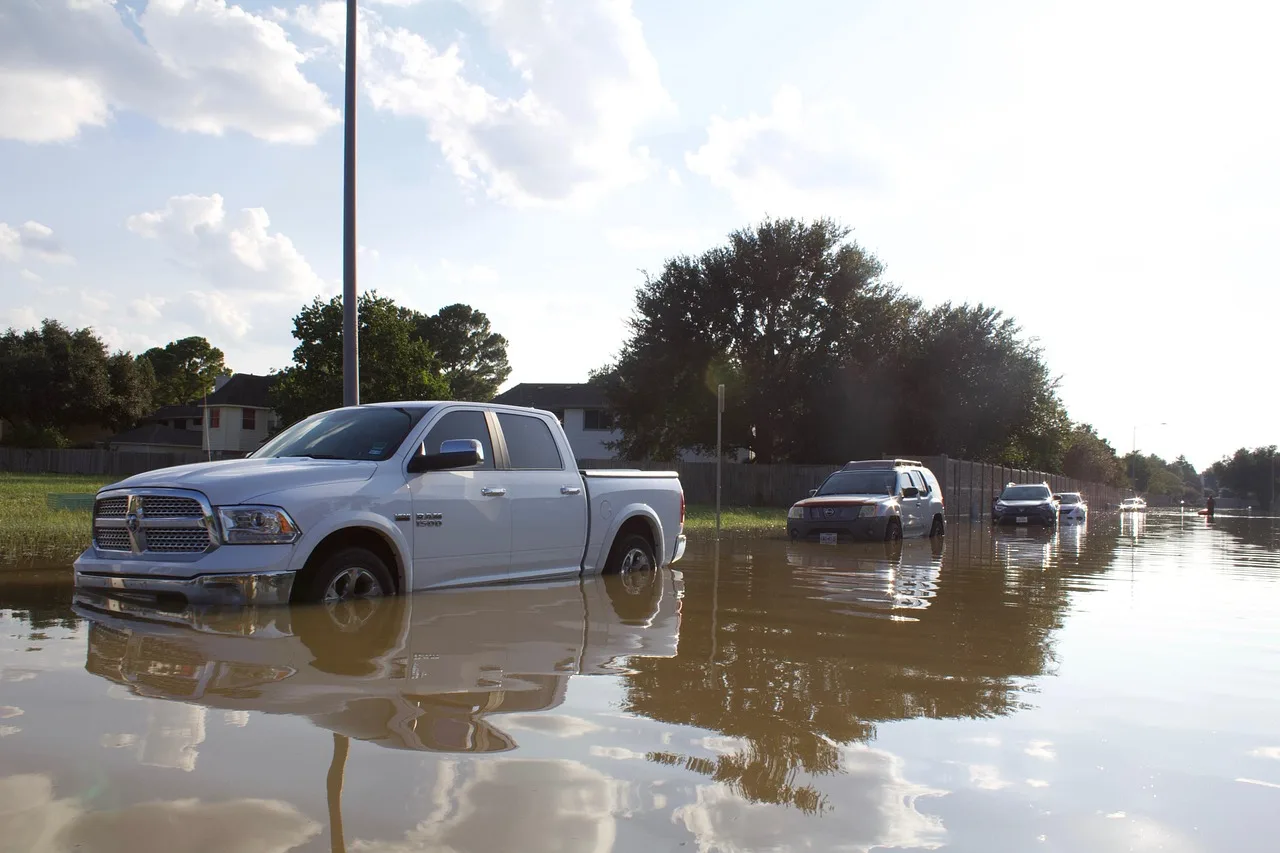
The risk also changes with the type of exposure. Full submersion is commonly associated with corrosion, trapped debris, and electrical failure across many systems. Partial water intrusion may leave a narrower trail, but it still deserves caution because moisture inside wiring, carpet padding, and connectors can create delayed faults.
Freshwater and saltwater are not equal. Saltwater is generally harder on metal and wiring, so rust, green corrosion, and connector damage deserve extra weight when you inspect a vehicle that may have been near coastal flooding or brackish water.
Why cleaned-up flood cars can pass a quick look
Cosmetic repair can hide deeper damage. Fresh upholstery, air fresheners, and a clean dash do not prove the car is sound. IP Location notes that standard vehicle history reports can miss cross-border title migration, and cosmetic repair can hide deeper damage. Dr. Vin also notes that flood-damaged cars re-enter the market with clean titles, may drive fine at first, and then develop electrical problems months later.
Say your inspection happens on a bright day at a dealership. The floor mats are dry and the seats look clean, but the spare wheel well smells damp and the seat-belt anchors show rust. That mismatch is the clue. Clean surfaces matter less than hidden areas that retain moisture.
Freshwater versus saltwater damage
Freshwater often leaves mud, silt, and odor. Saltwater more often leaves fast-moving corrosion on bolts, connectors, brackets, and grounding points. If the car has both rust in odd places and evidence of water above the floor line, treat it as a serious warning even if the seller says the vehicle was “just washed out.”
Flood damage decision table
Use this sequence in order. Start with proof, then weigh suspicion, then ignore noise only after the stronger signs are absent. The point is not to collect every clue. It is to separate high-confidence evidence from things that often fool buyers.
| Tier | Sign | Why it matters | Common false positives | Action |
|---|---|---|---|---|
| High-confidence proof | Flood title, salvage branding, or flood damage disclosure on the paper title | Official paperwork is the clearest warning that the car has been branded for water damage | Title clerical errors are possible, so compare the paper title with the seller’s story | Walk away unless you are buying for parts and fully understand the risk |
| High-confidence proof | Water line visible on seats, panels, carpet backing, or trim | A line marks where water reached and sat long enough to leave residue | Wax, cleaning products, or a spill may leave a stain, but they rarely leave a clean horizontal line across the cabin | Walk away if the line matches other water clues |
| High-confidence proof | Rust under carpets, on seat hardware, or in the spare wheel area | Rust in concealed cabin metal points to standing water or prolonged moisture | Light surface rust on exposed parts is common on older vehicles | Walk away when hidden rust appears in multiple places |
| High-confidence proof | Mud or silt packed into crevices, under trim, or in the trunk/boot well | Fine sediment often stays behind after floodwater recedes | Off-road use may leave dirt below the body, but not usually inside sealed cabin seams | Walk away if residue appears inside the cabin or electrical areas |
| Moderate suspicion | Musty or damp odor | Cartell says an unusual odor can indicate flood exposure | Wet towels, mildew from a leaky sunroof, or spilled drinks can cause smell without a flood | Get an independent mechanic to inspect the car and check the interior more closely |
| Moderate suspicion | Corrosion on brackets, bolts, connectors, or underbody parts | Water reaches places normal washing does not | Road salt, coastal air, and age can also cause corrosion | Compare the pattern with the vehicle’s location history and title record |
| Moderate suspicion | Intermittent electrical faults after drying | Flood damage often affects wiring harnesses and computer modules | A weak battery or worn switch may mimic a water-related fault | Take it seriously, especially if multiple systems fail |
| Low-confidence noise | Light condensation inside a lamp or window fogging | Temperature changes and humidity can trap moisture briefly | This is common after rain or a wash | Do not count it alone |
| Low-confidence noise | Single patch of surface rust on an exposed fastener | Age and weather can cause isolated rust | Often unrelated to flood exposure | Only matters if it appears with other clues |
Walk-away threshold: leave the deal if you find any one high-confidence proof sign, or if you find two moderate-suspicion signs that line up with a flood story, a clean-but-incomplete history report, or unexplained electrical behavior. That threshold is strict on purpose.
- Read the title before money changes hands.
- Check the cabin for waterlines, odor, and hidden rust.
- Inspect the engine bay, trunk, and underbody for mud, silt, and corrosion.
- Test electrical features one by one.
- Compare what you found with the vehicle history report.
- Get a third-party mechanic inspection if anything looks off.
What cabin clues matter most?
Look first for waterlines, trapped moisture, and rust under the interior trim. The strongest cabin clues are tide marks on seats or panels, musty or damp odor, rust under carpets or on seat hardware, and debris trapped where normal cleaning should not reach. These signs matter more than a freshly detailed dash or new floor mats.
Tide marks and waterlines
Waterlines are often among the clearest clues because they show where water may have sat. Check lower door cards, seat backs, carpet edges, and the base of the center console. A sharp horizontal stain is harder to explain than general wear.
Suppose a sedan has new seat covers but the plastic trim above the carpet shows a faint brown line on both rear doors. That line matters more than the shiny seats, because it suggests water reached the same height on both sides.
Musty odors and damp carpets
Cartell says an unusual odor can indicate flood exposure. A damp or moldy smell from carpet padding, the trunk/boot well, or under seats should not be brushed off as “old car smell.” It often means moisture stayed trapped after the visible surfaces dried.
Common false positives include a wet umbrella, a small spill, or a car that sat with the windows open in humid weather. Those issues usually leave a local smell. Flood exposure often smells broader and deeper.
Rust under seats and trim
Check seat rails, seat-belt anchors, wiring under seats, and hidden fasteners. Rust in these spots is more meaningful than rust on a wheel bolt or an exposed underbody flange. Cartell also recommends checking the boot well and spare wheel area, which often trap water and debris.
Mold, mud, and trapped debris
Lifting floor mats is not enough. Check beneath the carpet edge, inside the spare wheel area, and around the seat mounts. Mud in seams, dried silt in the carpet backing, and mold on insulation all point to water that was not cleaned out completely.
What should you inspect under the hood?
Look for mud or silt in crevices, rust on brackets and bolts, water marks under the bonnet, and corrosion near wiring. Under-hood evidence matters because floodwater leaves marks in places that normal washing misses. A clean engine bay does not clear the car if the hidden hardware tells a different story.
Mud or silt in crevices
Check around hinges, fuse boxes, airbox seams, hood latches, and the base of the windshield. Fine sediment in tight spaces is harder to fake than a surface rinse. It often shows that water stood high enough to enter protected areas.
Rust on bolts, brackets, and connectors
Rust on mixed-metal parts is a warning sign when it appears in clusters. One rusty bracket may reflect age. Rust on several bolts, fasteners, and connector shells suggests water contact across the bay.
Water marks under the bonnet
Look for a clean line, discoloration, or residue on the underside of the hood and along inner fenders. A water mark under the bonnet is more significant if it matches signs inside the cabin or under the car. On its own, it still needs context.
Signs of corrosion near wiring
Floodwater affects wiring harnesses and computer modules, according to IP Location. That is why corroded connectors, green residue, brittle insulation, or white crust around plugs should move the car closer to a no-buy decision. Electrical damage is often hidden, expensive, and slow to appear.
How do electronics reveal flood damage?
Test windows, locks, mirrors, stereo, and warning lights one at a time. Then watch for intermittent failures after the car has been on for a while. Electrical issues matter because flood damage often reaches wiring harnesses and control modules, and Dr. Vin notes that problems may begin months later even if the car seems normal at first.
Test windows, locks, mirrors, and stereo
Do not settle for a single ignition check. Cycle every power window, every door lock, the mirror adjusters, and the stereo controls. Slow movement, dead switches, or random resets point to water-related corrosion or weak electrical connections.
Check warning lights and intermittent faults
Look for airbag, ABS, and stability control warnings. These systems matter because water intrusion may affect sensors and modules tied to safety. A warning light that clears and returns is more concerning than a steady light alone, especially if the seller says the car “just needed time to dry.”
Watch for delayed failure
The same source explains that flood damage affects wiring harnesses and computer modules. That is why a car may seem fine for a short test drive, then develop odd faults later. If the seller says a problem “comes and goes,” treat that as a clue, not a comfort.
How reliable is the paperwork?
Paperwork helps, but it is not the final word. A vehicle history report can show title branding, insurance claim records, and some auction or registration events, yet it may still miss cross-border title migration. A clean report does not prove the car was never flooded.
What a vehicle history report can show
History reports may reveal a branded title, a flood claim, or an ownership pattern that does not fit the seller’s explanation. The same source says a full car history check is the most reliable step, and Texas recommends checking vehicle history with a private service. Use it early, but do not let it end the inspection.
Why a clean report can still miss flood damage
The same source says standard vehicle history reports can miss cross-border title migration. That matters when a car is washed across state lines, sold through auction, or moved after a title change. A blank report may mean the data trail is incomplete, not that the vehicle is clean.
How to check title branding and flood disclosure
Review the paper title before you agree to buy. The Texas DMV says flood-damaged title wording must be included. If the title shows salvage, damage, or flood wording, treat that as a major warning and verify the paperwork against the seller’s story. (Texasattorneygeneral)
Texas also advises using an independent, competent automotive technician. That means a third-party mechanic, unrelated to the seller, should inspect the interior, engine bay, underbody, and electrical system for corrosion, residue, and hidden faults.
What to do if you suspect flood damage
Stop negotiating until you resolve the evidence. Gather the title, the vehicle history report, and a third-party inspection from an independent mechanic. If the car shows one high-confidence proof sign or a mix of moderate clues with electrical problems, walk away. The repair bill for hidden flood damage often arrives after the sale.
Frequently asked questions
How to tell if a used car has flood damage
Start with the paper title, then check for waterlines, musty odor, hidden rust, mud in seams, and electrical faults. Two or more strong clues mean the risk is high, even if the car looks clean and a history report comes back blank.
How to tell if a used car has water damage
Water damage often shows up as damp carpet padding, stained trim, fogged lenses, rusty seat hardware, and smells that return after the car closes up. Check the trunk/boot well and under the carpets, because these areas trap moisture longer than visible surfaces.
How can you tell if a car has had flood damage?
Look for a flood title, uneven corrosion, sediment in hidden places, and multiple electrical glitches. A seller’s explanation matters less than the pattern. One clue may be noise. Several clues across the cabin, engine bay, and paperwork are strong evidence.
How to tell if a used car has been in a flood
Inspect the cabin first, then the engine bay and underbody. Tide marks, silt, water stains, and corroded connectors are the most convincing signs. If the title is branded or the history report mentions flood damage, that adds weight fast.
Does carfax show flood damage?
It may show a flood title, insurance record, or related event, but it is not complete proof either way. Clean history reports can miss auction gaps or cross-border title changes. Use the report as one screen, not the final answer.