What Is a Used Car Inspection and What Does It Include?
A used-car inspection is usually a system-by-system check of the engine, brakes, tires, body, electronics, and documents. Pay for a pre-purchase inspection before you hand over money, and walk away if the report shows safety problems or major repair costs. Skipping it can hide crash damage, flood exposure, worn parts, or title problems that cost far more than the inspection fee. This guide explains what gets checked, which findings matter most, and when a basic look is not enough.
How a pre-purchase inspection works
A used-car inspection is a buying step, not a courtesy glance. It happens before you finalize the deal so you can judge visible condition, road behavior, and mechanical risk while you still have bargaining power or an exit.
The cleanest version is a pre-purchase inspection performed by a mechanic or inspection service. Consumer Reports says to take any used car to a mechanic for a thorough inspection before finalizing the deal. A vehicle history report can help verify whether a car has been in a crash, but it does not replace a physical check.
How it differs from a quick lookover
A quick lookover can spot dents, dirty oil, warning lights, or worn tires. A pre-purchase inspection goes farther. It treats the car as a buying risk, so hidden mechanical faults and body damage matter more than cosmetic flaws.
A basic inspection usually stays visual unless the shop has easy access to the underside. A fuller mechanic inspection can also add lift access, brake and suspension checks, fluid condition checks, and diagnostic scanning for stored fault codes.
Who usually performs it
Most buyers use an independent mechanic or an inspection service. Dealers may offer a safety check, but that is not the same thing as an independent pre-purchase inspection. The dealer version is often meant to meet sale or roadworthiness standards, while the buyer needs a deeper read on risk.
What should you check before booking one?
Start with the seller, the paperwork, and the VIN. Ask about mileage, condition, features, crash history, and service records before you spend money on an inspection. Then verify the history report and open recalls so you are not inspecting a car with an obvious paper trail problem.
Ask the seller the right questions
Ask how the car was used, who owned it, whether any bodywork was done, and whether the car has open recall work that still needs to be done. The same source recommends asking about mileage and flags averages above 20,000 or below 5,000 per year. That does not prove a problem, but it can signal unusual use. (Consumerreports)
Ask about crash history, including the extent of damage and who did the repairs. CR advises that question because repair quality matters as much as the accident itself.
Review service records and repair receipts
Service receipts can show whether maintenance happened on time and whether odometer readings line up across dates. Consumer Reports advises checking the odometer reading in service receipts. Missing records do not automatically kill a deal, but they raise uncertainty about oil changes, brake work, timing services, and neglected wear items.
Run a vehicle history report and VIN recall check
Use a VIN-based vehicle history report to look for title issues, ownership changes, and crash records. A report can help verify whether a car has been in a crash, but it can miss cheap repairs or damage that was never reported.
You can check open recalls using the VIN and the manufacturer website or NHTSA website. That matters before purchase because recall work may still be outstanding.
Think about seller type
A private seller may be less flexible about inspection timing, test-drive routes, or paperwork access. A dealer may be more willing to accommodate an inspection, but the buyer should still ask who pays for transport to the mechanic, whether the car can leave the lot, and whether any sale conditions apply.
Suppose a 9-year-old sedan has 68,000 miles, fresh tires, and a clean cabin, but the seller cannot explain a brake repair from six months ago. That is a reason to slow down and compare the receipts to the history report before you book the shop visit.
Exterior and interior checks
The walk-around comes first. You want to see the body and interior before any tools come out, because the outside and cabin often reveal accident repair, water intrusion, poor care, or neglect that a scan tool will not tell you.
Body panels, paint, glass, lights, and tires
A walk-around can help reveal uneven panel gaps, mismatched paint, cracked glass, broken lamps, and tires that wear unevenly. Tire wear patterns matter because they can point to alignment issues, bad suspension parts, or steering problems. Also check for curb rash, fresh overspray, and signs that one side of the car has had more repair than the other.
Seats, controls, dash lights, and cabin wear
Inside the car, check seats, belts, switches, windows, climate controls, dash lights, odors, stains, and headliner condition. The guide notes that odors, warning lights, stains, and uneven panel gaps are important signs to catch early. Water lines under carpets, fogged lamps, and musty smells can point to flood exposure or long-term leaks.
Signs of crash damage or water intrusion
Misaligned body panels, missing trim clips, fresh seam sealer, or paint on rubber weather stripping can point to repair work. Damp carpeting, rust under seats, and a stale smell can point to water intrusion. Those findings matter because they can signal bigger electrical, corrosion, or safety problems under the surface.
Test drive checks
A test drive is part of the inspection process. It should cover starting, acceleration, braking, turning, steering feel, noises, warning lights, and comfort. Use ordinary routes when permitted so you can see how the car behaves at low speed, in traffic, and on a clear road.
Starting behavior and idle quality
The car should start cleanly and settle into a steady idle. Watch for hard starts, rough idle, smoke, shaking, or warning lights that stay on. Those signs can point to battery, fuel, ignition, or engine management problems.
Acceleration, braking, steering, and turning
Listen during acceleration, braking, turns, and low-speed maneuvers. The test drive section calls out those moments because they reveal clunks, pulling, vibration, delay in throttle response, brake pulsation, or steering play. A car that tracks straight, stops smoothly, and turns without noise is easier to trust.
Noises, vibrations, warning lights, and comfort
Pay attention to wheel shake, humming, grinding, rattling, and warning lights that appear during the drive. Comfort matters too, because loose seats, weak climate control, or a wandering steering wheel can point to hidden wear or costly repair items.
Picture a compact SUV that feels fine around the block, but on a longer street run it shudders under braking and pulls right. That combination usually points beyond cosmetic wear, and it should move the car into the negotiation or walk-away category depending on the diagnosis.
Used car inspection matrix
| System checked | What a basic inspection covers | What a full pre-purchase inspection adds | Likely buying call |
|---|---|---|---|
| Brakes | Pad thickness visible through wheels, rotor condition, brake feel, warning lights | Measured pad and rotor wear, fluid condition, undercar inspection for lines and hardware | Grinding, fluid leaks, or warning lights are deal-breakers; wear only is negotiable |
| Tires | Tread depth, wear pattern, sidewall cuts, matching sizes | Alignment clues, date code review, uneven wear linked to suspension or steering | Uneven wear is negotiable; cords showing or damaged sidewalls are deal-breakers |
| Suspension | Visible sag, broken springs, leaking struts, bounce or clunks on road test | Lift inspection of bushings, joints, mounts, and shock or strut leaks | Loose or broken parts are deal-breakers; worn bushings are usually negotiable |
| Steering | Steering wheel play, pull, noise, and return-to-center behavior | Tie rods, rack condition, power assist checks, underbody inspection for leaks | Excess play or binding is a deal-breaker; slight pull may be negotiable |
| Engine | Starting, idle, smoke, noises, visible leaks, dash lights | Scan for codes, inspect hoses, mounts, belts, cooling parts, and hidden leaks | Misfires, overheating signs, or major leaks are deal-breakers |
| Transmission | Shift quality, flare, delay, slipping, shudder, unusual noise | Fluid condition, underbody leaks, scan data where available | Slipping or harsh engagement is a deal-breaker; minor shift feel may be negotiable |
| Electrical | Lights, windows, locks, dash display, infotainment, warning lamps | Battery and charging checks, scan for stored faults, function testing of accessories | Safety-related electrical faults are deal-breakers; convenience faults are negotiable |
| Fluids | Oil, coolant, brake fluid, transmission fluid, washer fluid levels and color | Condition checks for contamination, cross-contamination, and leak source tracing | Contaminated fluids or rapid loss are deal-breakers; service needs are negotiable |
| Leaks | Visible drips under the car and wet spots around engine or drivetrain | Underside inspection with lift access to trace source and severity | Active major leaks are deal-breakers; small seepage may be negotiable |
| Frame/body | Panel gaps, paint match, rust, glass, signs of prior repair | Undercar inspection for bent structure, corrosion, weld quality, hidden damage | Structural damage or flood signs are deal-breakers |
| Safety equipment | Seat belts, airbags light, horn, wipers, lights, child-seat anchors if visible | Scan for airbag faults and inspect restraint-related hardware more closely | Airbag or belt faults are deal-breakers |
| Test-drive review | Start-up, idle, acceleration, braking, turning, steering feel, cabin noise | Longer road test with attention to highway behavior, heat soak, and repeat stops | Driveability faults are deal-breakers if they affect safety or major repair cost |
What a mechanic inspection adds
A mechanic inspection is the deeper version. It adds under-hood and underbody review, road test judgment, and diagnostic checks that a quick look cannot match. That is the best fit for buyers who want a more complete read on safety and reliability before money changes hands.
Under-hood and underbody checks
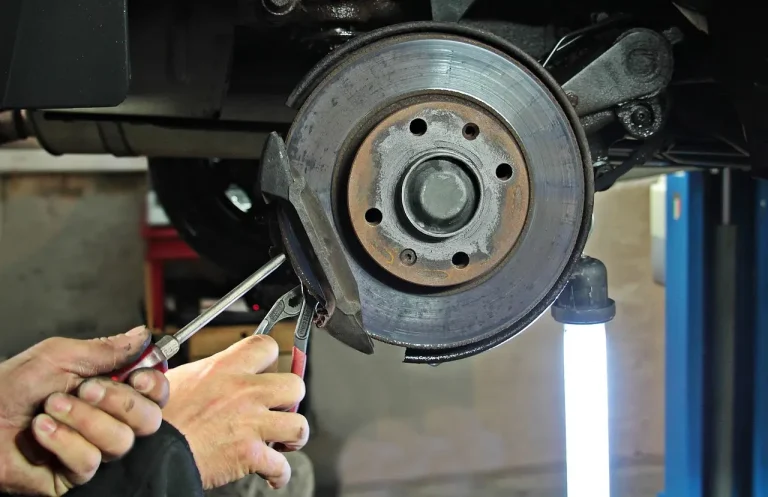
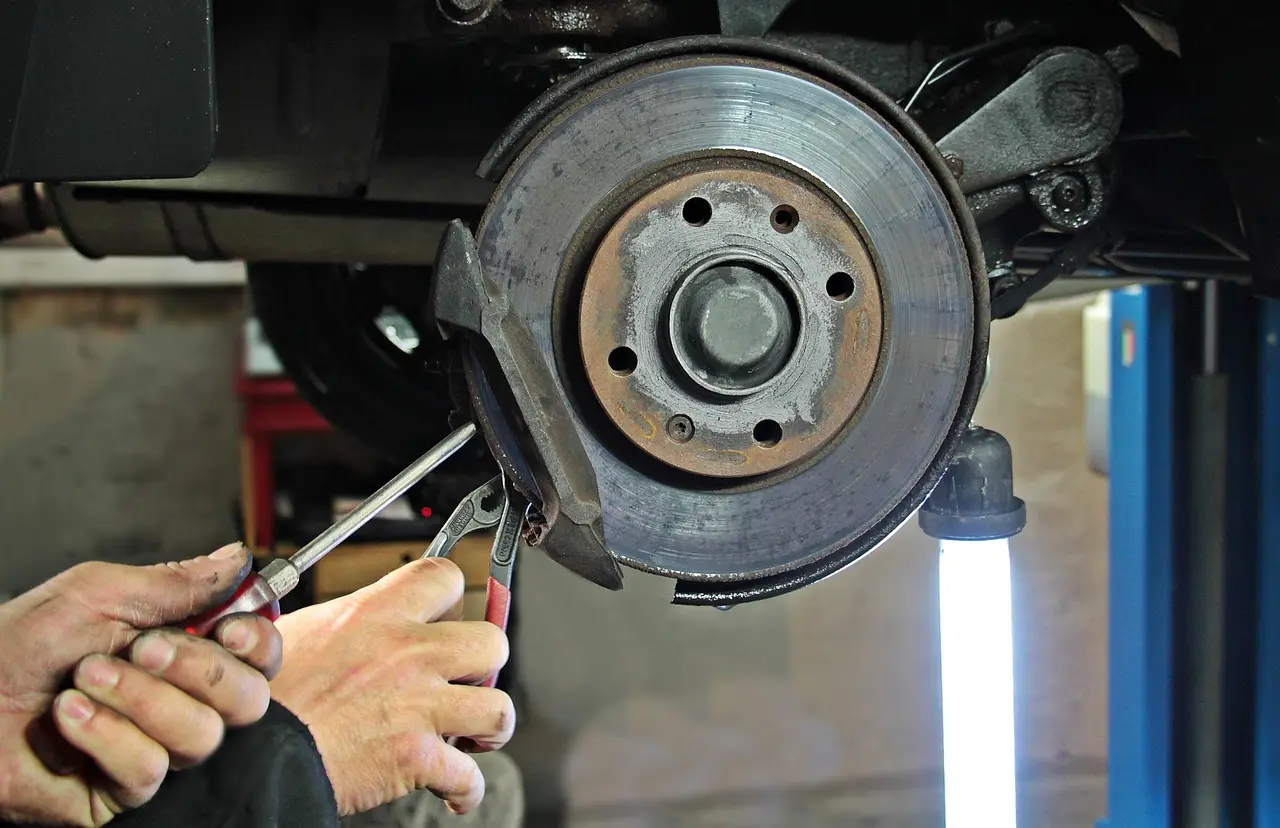
With the car on a lift, the shop can inspect brake lines, suspension joints, leaks, rust, exhaust damage, and frame or body issues that are hard to see from the ground. That access matters because some problems only appear when weight is off the wheels or when the underside is fully exposed.
Diagnostic scanning and fluid checks
A full pre-purchase inspection can include a scan for stored trouble codes, battery and charging checks, and closer fluid inspection. That helps identify hidden electrical or drivetrain faults even when the dashboard is quiet.
Basic inspection versus deeper inspection
A basic inspection is useful when the car is newer, the seller is cooperative, and the visible condition already looks strong. A deeper mechanic inspection makes more sense for older cars, higher-mileage cars, accident-repair candidates, and anything with uncertain records.
What if the seller says no?
If the seller refuses a pre-purchase inspection, treat that as a major warning sign. Some private sellers may not want a test drive or inspection, but that refusal limits your ability to verify condition and should change how you value the car, or whether you pursue it at all.
Private seller refusal
A private seller can refuse, but you do not need to accept the risk. If the seller will not allow an inspection, will not share service records, or will not let you verify the VIN and recall status, the car may be too uncertain to buy.
Dealer inspection rules
A dealer may have its own inspection process, but that is not a substitute for your own. Ask whether the car can be taken to an outside mechanic, whether the seller will release the VIN, and whether any repair promises will be written into the deal.
When to walk away
Walk away if the seller blocks inspection, the car shows structural damage, the test drive reveals transmission slip or brake problems, or the paperwork does not match the car. A cheap purchase can become expensive very fast when the basic facts do not line up.
Frequently asked questions
What does a car inspection include?
A used-car inspection usually includes a walk-around, cabin check, test drive, and review of key systems such as brakes, tires, suspension, steering, engine, transmission, electrical parts, fluids, leaks, and safety equipment. A pre-purchase version also checks paperwork clues and hidden mechanical risk before you buy.
What does a car inspection consist of?
It consists of a visual inspection, a road test, and a mechanical review. A basic inspection may stop at what can be seen or heard. A full pre-purchase inspection adds lift access, diagnostic scanning, and a closer look at underbody wear or damage.
What does a vehicle inspection consist of?
For a used car, a vehicle inspection consists of checking the body, interior, tires, brakes, lights, warning lamps, road behavior, and maintenance history. The goal is to judge whether the car is safe, roadworthy, and worth the asking price before the deal is final.
Do I need a mechanic to inspect a used car before buying it?
You do if you want a deeper read on hidden problems. The same source says to take any used car to a mechanic for a thorough inspection before finalizing the deal. That matters most for older cars, higher mileage, unclear records, or any car with crash or recall questions.
What parts of a used car are checked during an inspection?
Most inspections cover brakes, tires, suspension, steering, engine, transmission, electrical systems, fluids, leaks, the frame or body, safety equipment, and the test drive. The exact scope depends on whether the check is basic, dealer-run, or a full pre-purchase inspection with shop access.
What should I ask the seller before booking an inspection?
Ask about mileage, condition, features, crash history, service records, and open recalls. Also ask whether the seller will allow a test drive and outside inspection. Those answers help you decide whether the car is worth spending inspection money on in the first place.