Accident History: How to Check and Trust the Report
Trust an accident-history report only after you verify the VIN, check at least two independent sources, and compare the report with an in-person inspection and repair invoices. A clean report can still miss unreported crashes, title delays, or bodywork done outside insurance, which can leave you overpaying or buying a car with hidden structural damage. This guide explains what reports pull from, where they miss things, and how to judge conflicting results before you buy.
What accident history really covers
Crash records versus damage records
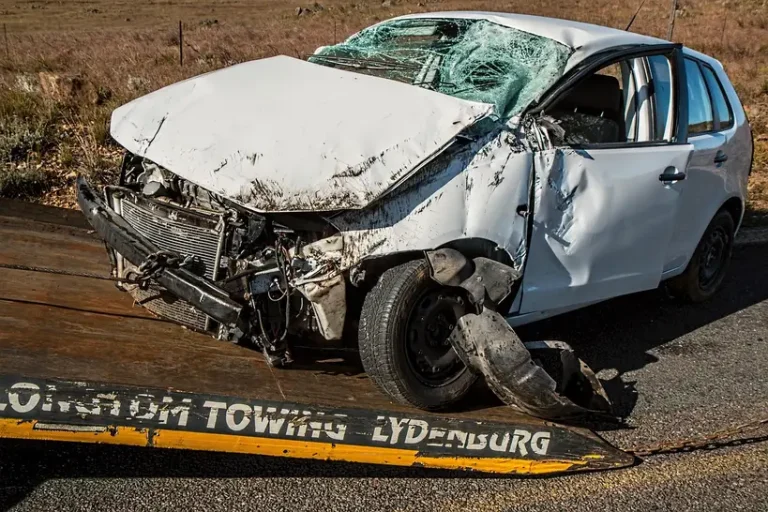
Accident history is broader than a single crash entry. It can include police-reported collisions, insurance claim records, total-loss decisions, auction disclosures, title brands, and the repair traces still visible on the vehicle.
That matters because one event may appear in one system and stay absent from another. A parking-lot hit paid in cash can leave bodywork, replacement lamps, and paintwork without ever creating a police report or insurance claim.
Clean title versus clean history
A clean title does not mean a clean history. Title brands usually flag larger events such as salvage, rebuilt, flood, junk, and lemon-law history, but many repaired cars never get any brand at all.
VinInfoHub says a report can include salvage, rebuilt, flood, junk, and total-loss title brands. Title status helps, but it covers only one part of the record trail.
Minor repairs, total losses, and title brands
Minor bumper work and a major total loss can both count as prior damage, yet they leave very different records. A total loss is more likely to appear through insurance, auction, and title systems. A small sideswipe fixed privately may appear nowhere except on the car itself.
That is why accident-history checking is really a confidence exercise. You are not asking only, “Did something happen?” You are asking, “Which systems would have known, and do those systems agree with what the vehicle shows today?”
When a free accident check is enough—and when it isn’t
If you only need a quick screen, a free accident check can reveal a few warning signs, such as title branding, auction listings, or records that suggest prior damage. That can help you avoid an obviously risky car before you spend money on a full report.
The catch is that free sources often miss collisions, repairs, or insurance claims that never get fully recorded. The supporting guide on free accident history reports explains exactly what you can verify at no cost, what those checks cannot prove, and when paying for a complete report is the safer move.
How do you check a car’s accident history?
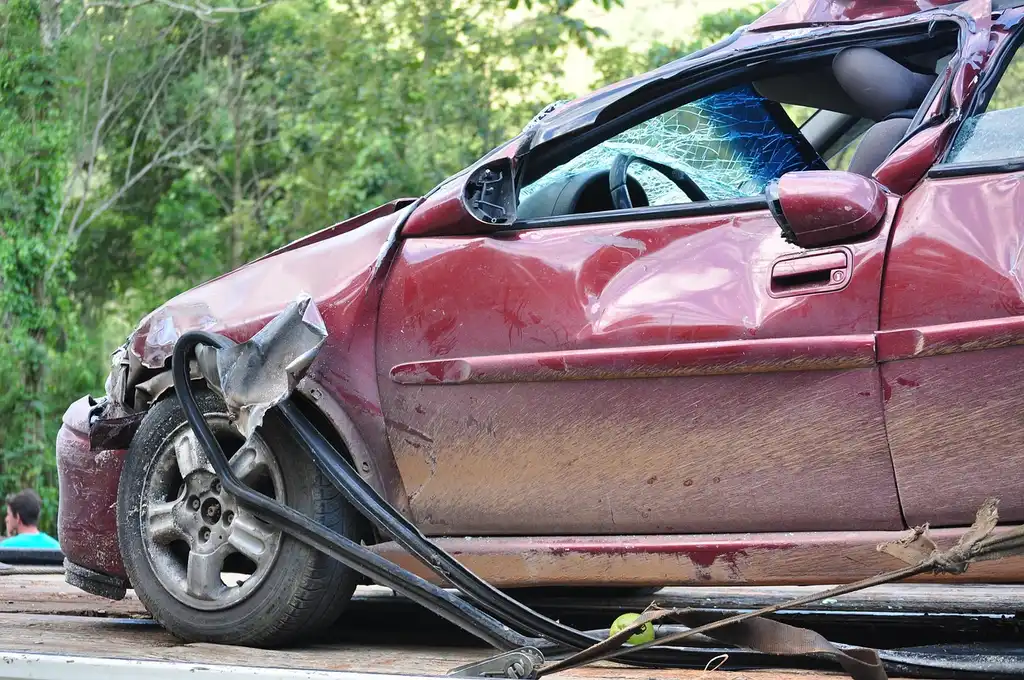
Start with the 17-character VIN, run a couple of report sources, then compare those records with title data, auction entries, and a physical inspection. The goal is not to pull a report and stop. The goal is to judge how much source overlap exists and whether the car’s condition fits the paper trail.
Use the VIN as the anchor
The VIN is the fixed link across title files, insurance claims, auction records, recall databases, and seller paperwork. Check the 17-character VIN on the dashboard plate at the windshield, the driver-door label if available, the registration, and the sale documents. If even one character does not match exactly, stop and sort that out before you trust any history report.
Check records in order
- Confirm the VIN. Compare the 17-character VIN on the windshield plate, registration, insurance card if available, and seller paperwork. One wrong character can split the record trail and make a clean report look better than reality.
- Run two report sources. Use one consumer vehicle-history source and then a second independent source. VinCheckPro offers a free vehicle history report using either a VIN or license plate, which makes it a practical first pass when a seller shares plate information before the VIN.
- Read source categories. Look for what the report actually covers: accidents and damage, title status, odometer records, theft, recalls, lien status, and ownership history. VinCheckPro says reports can include past accidents and damage, title status, odometer rollbacks, theft, recalls, and lien status.
- Trace title data. Check whether the report includes NMVTIS-fed title brand and mileage information through an authorized reseller. VinCheckPro says NMVTIS can reveal title brands, salvage history, and mileage inconsistencies.
- Look for auction entries. Search for Copart, IAAI, and Manheim history, then read fields such as loss type, primary damage, and run/drive status. An auction total-loss entry can explain repair evidence even when the title later appears clean.
- Inspect the vehicle. Walk the car in daylight and compare the records with panel gaps, paint texture, overspray, underbody welds, lamp and glass date codes, warning lights, and road-test behavior. If the report is clean but the car shows repaint lines, mismatched hardware, or alignment clues, treat the report as low-confidence until an inspection explains the gap.
Suppose the VIN report shows no accidents, but the car has a newer right headlamp, paint dust in the wheel arch, and a steering wheel that sits slightly off-center on a straight road. That combination calls for inspection, not reassurance from the clean screen result.
How to spot hidden crash damage with a VIN
A VIN can tell you where a car’s accident history starts, but it should not be treated as the full story. The supporting guide explains how to check a vehicle through multiple history sources, compare those results for gaps, and then use visible clues like paint mismatch, uneven panels, and signs of repair to confirm what actually happened. That matters because a car can look clean on paper while still hiding structural damage or bodywork that affects safety, value, and repair costs.
Use this VIN accident history guide when you need a practical way to separate reported crashes from damage that never made it into a database.
What does a vehicle history report actually show?
A vehicle history report can show accident and damage entries, title status, mileage records, theft or recovery, open recalls, lien or loan status, and ownership history. It helps because it pulls recorded background from multiple databases, but every report is limited by which systems supplied data and when.
Accidents, damage, and insurance-linked events
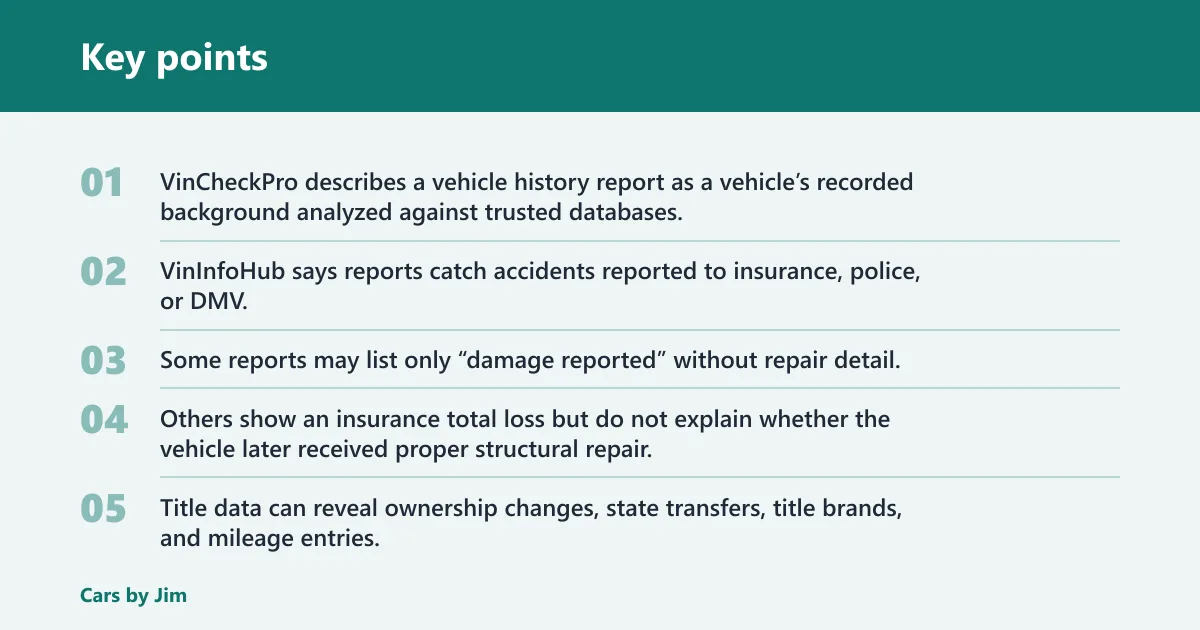
VinCheckPro describes a vehicle history report as a vehicle’s recorded background analyzed against trusted databases. The same source says reports catch accidents reported to insurance, police, or DMV. When those channels participate and the VIN is entered correctly, you may see a claim date, damage type, or a loss classification.
Those entries can be thin. Some reports may list only “damage reported” without repair detail. Others show an insurance total loss but do not explain whether the vehicle later received proper structural repair.
Title status, brands, and mileage records
Title data can reveal ownership changes, state transfers, title brands, and mileage entries. NMVTIS is the federal vehicle-history system focused on title brand and mileage data, and buyers usually access it through authorized resellers rather than directly.
Title brands matter because they often signal major prior damage or legal status changes. Salvage, rebuilt, flood, junk, and lemon-law history should change both price expectations and inspection depth.
Theft, recovery, liens, recalls, and ownership entries
Many reports also show theft or recovery records, open recalls, lien or loan status, and owner-history entries. The same source lists NHTSA as a backup source for open recalls, safety issues, and complaints, which helps with recall cross-checking but does not answer accident severity by itself.
Ownership count also needs context. A quick transfer through auction after a loss can tell a very different story than a long private ownership period with steady mileage updates.
Which data sources make a report trustworthy?
A trustworthy report is one where several source types point in the same direction: title data, insurance records, police reporting, auction history, and the car’s physical condition. One source alone can suggest prior damage, but confidence rises when independent systems overlap and the vehicle itself does not contradict them.
NMVTIS and state title systems
NMVTIS and state title systems are strong for title brands and mileage history. They are weak for minor repair detail. If a car was repaired after a moderate crash and never branded, the title side may stay clean while other systems carry the event.
Insurance claims and total-loss records
Insurance records often reveal accident dates and damage or loss types that title records do not show. They can also point to total-loss treatment before a car reaches auction or rebuild channels.
Still, insurance data has blind spots. If the owner paid out of pocket or the repair stayed under the deductible, there may be no claim record at all. The same source says cash-paid sub-deductible repairs may leave no data trail.
Police crash reports and local reporting limits
Police accident reports are separate from title and insurance data. Whether they flow into a consumer report depends on the jurisdiction, the reporting method, and whether a commercial data vendor ingested the record.
A crash can therefore be real, reported, and still absent from the report in your hand. Local silos are one reason two report providers sometimes differ.
Auction history from Copart, IAAI, and Manheim
Auction history is one of the best confidence checks because it often carries details that title summaries skip. Copart and IAAI entries may list loss type, primary damage, secondary damage, and whether the vehicle was run and drive. Manheim history can show remarketing patterns and condition notes.
VinInfoHub identifies Copart and IAAI auction history as a strong signal of insurance total-loss damage. If the car passed through either auction with front-end or flood damage, a later clean-looking report deserves extra scrutiny.
Why can a clean report still miss an accident?
A clean report can miss an accident because many crashes never enter the databases the report uses. Private-pay repairs, reporting delays, incomplete source participation, VIN entry mistakes, and local record silos can all leave the report clean even when the car has repaired collision damage.
Private-pay repairs and unreported damage
Not every fender bender becomes a claim or police file. If the owner settled privately, skipped a report, and used a body shop that does not feed commercial data, the only remaining evidence may be paintwork and parts replacement.
Data delays, VIN errors, and incomplete source participation
Records do not move instantly. A recent crash may not yet appear. A transposed VIN character can attach an event to the wrong vehicle or leave it floating outside normal search results. Some state agencies, local police departments, insurers, and repair channels also do not feed every consumer-report pipeline.
Jurisdiction gaps and events that never reach consumer databases
Police reporting practices vary. Some agencies publish data quickly; others do not. Some accidents do not meet local reporting thresholds. Others are documented, but the record never reaches the commercial source used by your report provider.
Picture a car with a rear-quarter repair from a low-speed sideswipe. No airbags deployed, no police report was filed, and the owner paid the body shop directly. The title stays clean, the report stays clean, but the repaint can still be found.
Accident history checklist table
| Data source covered | What it can miss | How to verify it | Confidence level |
|---|---|---|---|
| VIN lookup | Wrong VIN entry, missing provider coverage, delayed updates | Match the 17-character VIN on windshield plate, registration, and sale documents; run at least two providers | Medium alone; higher only with matching secondary sources |
| NMVTIS/title brands | Minor crashes, cosmetic repairs, non-branded damage | Check for salvage, rebuilt, flood, junk, lemon-law history, and mileage consistency through an authorized reseller | High for title status; low for minor repair history |
| Insurance claims | Cash repairs, sub-deductible damage, claims not shared to the database | Look for claim date and damage or loss type; compare with seller invoices and repair dates | Medium to high when dates and damage type line up with other records |
| Police reports | Unreported crashes, local records that never reach consumer systems, threshold-based non-reporting | Check whether the report cites police-sourced accident data; ask for crash paperwork if the seller mentions an event | Medium when present; low when absent |
| Auction history | Cars never sold through auction, thin condition notes, missing photos | Search Copart, IAAI, and Manheim entries for loss type, primary damage, and run/drive status | High when a total-loss or damage entry appears |
| Physical inspection | Well-executed hidden repairs, inaccessible structure, recent cosmetic masking | Check gaps, overspray, welds, fasteners, lamps, glass dates, warning lights, underbody condition, and road-test behavior | High when it confirms or contradicts the record trail |
Simple trust rule: low confidence if only one source is clean and the car shows repair evidence; medium confidence if title and one other source are clean and the inspection finds no obvious mismatch; high confidence if title, insurance or police or auction data, and physical inspection all align with consistent mileage and no unexplained repair clues.
How do you verify repairs the report does not show?
Verify unreported repairs by looking for physical evidence that factory assembly usually leaves uniform. Paint texture, panel fit, glass dates, weld appearance, and warning-light behavior often tell more than a clean report. When those clues cluster on one area of the car, treat the repair as real until proven otherwise.
Exterior clues: paint, panel fit, lamps, and glass
Start with panel gaps and paint consistency. The same source says a factory-like paint gap is within 1-2 mm across the vehicle, while a misaligned gap of 4-5 mm on one panel can indicate collision repair. One odd gap is a clue. Several on the same corner are a pattern.
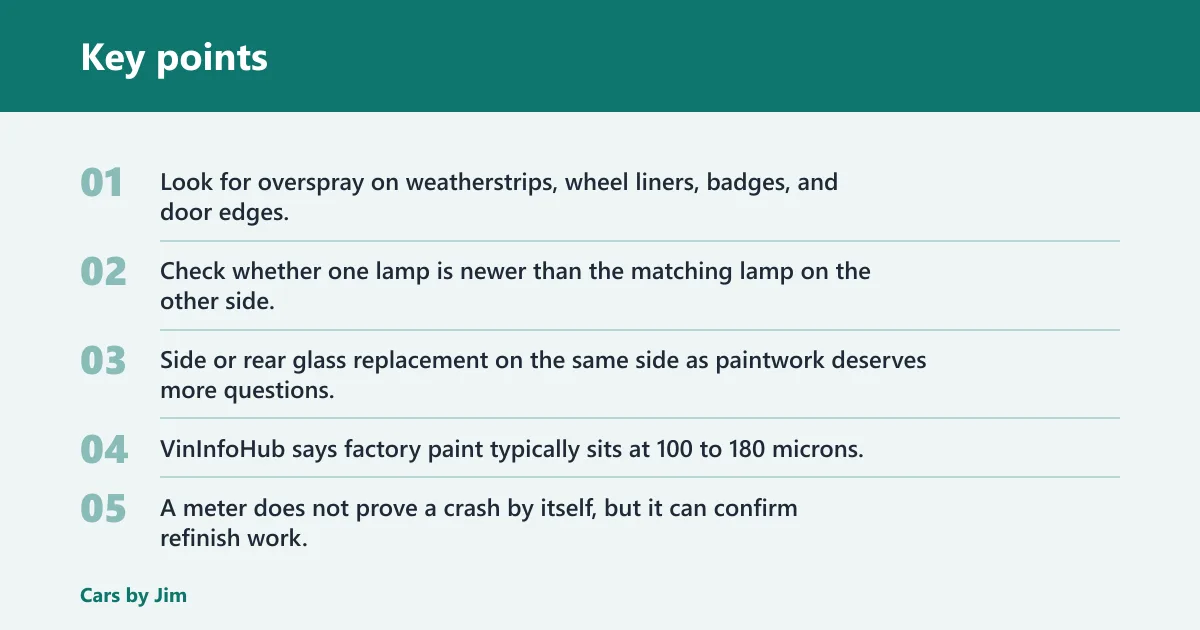
Look for overspray on weatherstrips, wheel liners, badges, and door edges. Check whether one lamp is newer than the matching lamp on the other side. Compare glass date codes side to side. One replaced windshield is common. Side or rear glass replacement on the same side as paintwork deserves more questions.
The same source says factory paint typically sits at 100 to 180 microns. If a paint meter is available during inspection, readings far above that range on one fender or door can support a repaint finding. A meter does not prove a crash by itself, but it can confirm refinish work.
Underbody and structure clues: welds, rails, and fasteners
Look underneath with good light. Factory underbody seams tend to be even, coated, and consistent side to side. Fresh undercoat in one localized area, rough weld beads, bent pinch welds, or tool-marked bolts around the radiator support and fenders can suggest prior repair.
Mismatched fasteners matter because factory assembly is repetitive. A shiny new bolt next to older hardware, especially around the hood hinges or core support, can indicate panel removal after damage.
Cabin and safety clues: airbags, warning lights, and trim fit
Turn the ignition on and watch the warning lights complete their normal bulb check. An airbag light that stays on, never comes on, or looks tampered with is a stop-and-investigate signal.
Inside the cabin, inspect steering-wheel and dash trim fit, headliner edges near curtain airbags, and seat-belt date tags if visible. Uneven trim or replaced pieces can support a prior deployment or interior repair.
Road-test clues: alignment, tracking, vibration, and noise
A straight, smooth road tells a lot. Note whether the car pulls, the steering wheel sits off-center, the body produces wind noise near one door, or vibration appears at highway speed. These symptoms do not prove collision damage, but they do justify a deeper chassis and alignment inspection.
Say your test drive at 45 mph reveals a slight pull right and extra wind noise at the top of the passenger door, while the report stays clean. That is enough to pause the deal and order an independent inspection focused on body alignment and prior side repair.
What should you do when the report and the car disagree?
When the report and the car disagree, trust the mismatch more than the clean entry. Visible repair evidence can mean missing records, and a reported accident can still be acceptable if the repairs are documented and the inspection finds no structural or safety concern. The next move depends on which side has stronger proof.
Clean report but visible repair evidence
If the report is clean but the car shows overspray, gap problems, replaced lamps, weld changes, or airbag concerns, lower your confidence rating right away. Ask for body-shop invoices, parts receipts, before-and-after photos, and alignment records.
If the seller cannot explain the evidence, get a pre-purchase inspection from a shop that measures structure and checks for prior paintwork. If the seller resists that step, walking away is often the safer decision.
Reported accident but repairs appear well documented
A reported accident is not an automatic reject. A minor claim with dated invoices, consistent paint and panel fit, correct airbag operation, and a clean underbody inspection may simply justify price negotiation rather than abandonment.
The key question is whether the documentation matches the physical condition. If the report says rear damage and the repair paperwork shows bumper cover, reinforcement, and calibration work with no structural findings, that is very different from vague paperwork on a car with quarter-panel weld changes.
When to inspect further, renegotiate, or walk away
- Inspect further when the mismatch is explainable but incomplete, such as a documented claim without full repair invoices.
- Renegotiate when the event is confirmed, repairs appear competent, and the remaining issue is market value rather than safety.
- Walk away when the seller blocks inspection, the VIN trail is inconsistent, the airbag system looks suspect, or structural evidence conflicts with the record story.
For most buyers, an independent pre-purchase inspection is money well spent even when the report looks clean. It is the best way to check whether the paper trail and the metal tell the same story.
What if the seller will not share the VIN or report?
If a seller will not share the VIN or refuses to provide an existing report, treat that as a serious transparency problem. The VIN is basic deal information, and withholding it blocks title, accident, and theft checks. Unless there is a fast, sensible explanation, the safer move is to step back.
How to handle the refusal
- Ask for the reason. A temporary privacy concern is different from repeated refusal. A legitimate seller can usually provide the VIN from the dashboard plate or registration once sensitive personal details are covered.
- Request a live match. Ask to see the windshield VIN, registration, and sale listing at the same time. This reduces the chance of a copied report being attached to the wrong car.
- Set an inspection condition. If the seller claims a clean history but will not share a report, require an independent inspection before any deposit changes hands. No inspection, no deal.
- Leave if needed. If the seller still refuses the VIN or tries to rush payment, move on. A used-car listing is replaceable, hidden damage problems are not.
Frequently asked questions
How accurate are accident history reports for used cars?
They are accurate only for events that entered the source systems the report uses and were attached to the correct VIN. Accuracy rises when title, insurance, police, auction, and inspection evidence line up. It drops when the report relies on thin source coverage or the car shows repairs the databases missed.
Can a car have accident history but still have a clean title?
Yes. A clean title means only that no title brand is attached at that point in the record. Many repaired vehicles keep clean titles because the damage never triggered a salvage or similar brand, even though insurance, police, auction, or physical evidence still shows prior collision history.
How do I tell if repairs were done but not reported?
Look for uneven panel gaps, overspray, mismatched paint texture, replacement lamps or glass, disturbed fasteners, underbody weld changes, and odd airbag-light behavior. Then compare those clues with the report. If the car shows several repair signs in one area and the report is clean, assume the record is incomplete.
Should I trust a clean report if the car looks repaired?
No. A clean report reduces risk, but visible repair evidence should outrank it until a qualified inspection explains the mismatch. Treat that situation as low confidence, ask for invoices and photos, and do not pay a clean-history price unless the explanation and inspection support it.
What red flags mean the report might be incomplete?
Red flags include missing or mismatched VIN characters, a clean title used as proof of no accidents, no auction history on a car with obvious repainting, mileage entries with long gaps, recent repairs without paperwork, and seller resistance to inspection. Any one of those lowers report confidence.
Do I need an inspection even if the report looks clean?
Yes. A clean report cannot catch every private repair, local-record gap, or recent event. An independent pre-purchase inspection checks the physical car for body, structural, safety, and road-test clues that databases often miss, which is why it remains part of a careful used-car buying process.