Should You Get a Pre-Purchase Inspection on a Used Car?
Yes, get a pre-purchase inspection on any used car that is not sold “as-is” by a trusted dealer, and always on private-party buys or cars over $10,000. Skipping it can leave you paying for hidden engine, transmission, frame, or flood damage that costs far more than the inspection fee. This guide shows how to use the report to buy, negotiate, or walk away.
What a PPI can and cannot find

pre-purchase inspection, or PPI, is an independent third-party check done before money changes hands. It usually includes a road test, a visual inspection, and a diagnostic scan. The point is not to prove a used car is perfect. The point is to find out whether the findings change what you do next.
A PPI is most useful when a repair bill would matter to your budget. It can reveal leaks, suspension wear, timing belt age, cracked bushings, worn brakes, transmission trouble, or collision repair signs such as uneven paint, replaced bolts, or misaligned body panels. It can also miss internal problems that do not show up without disassembly, so it should guide a decision, not replace judgment.
What a pre-purchase inspection can and cannot tell you
An inspector can check the engine, brakes, suspension, transmission, electronics, body, and underbody. A shop inspection usually gives more underbody access because the car can be lifted, which helps with leak checks and hidden damage. A mobile inspection is still useful when logistics make a shop visit difficult, but the exact checklist depends on the provider.
What a quick PPI cannot do is reveal everything hidden inside the car. It may not catch every intermittent electrical fault, early internal engine wear, or damage that only shows up after teardown. A clean report means the car looked acceptable at the time of inspection, not that it is new or trouble-free.
When the answer is usually yes
For most used-car buyers, the answer is yes whenever the vehicle is older, has higher mileage, is priced high enough that a major repair would hurt, or comes from a private party. Many buyers skip inspections only when the car is nearly new and under warranty. Even then, a PPI can still make sense if the price is high or the seller’s story leaves gaps.
Say your budget is $14,000 and the car is a 9-year-old sedan with 98,000 miles. A PPI that points to brake work and a seep at the valve cover may be worth far more than the inspection fee because it lets you decide whether to negotiate or move on.
How a pre-purchase inspection works
How do you get a pre-purchase inspection on a used car? Start by choosing an independent mechanic or inspection service, then arrange access with the seller. The inspector should evaluate the car before purchase, not after a deposit locks you in. Ask for a written report and a repair estimate when defects are found.
There are two common formats. A shop-based inspection is usually the better choice when the car can be dropped off and lifted. A mobile mechanic is more convenient at the seller’s location and can be the practical choice when transport is hard.
Shop inspection vs mobile mechanic
A shop inspection usually gives the inspector more tools and space. A lift helps with underbody rust, leaks, exhaust damage, suspension wear, and visible accident repairs. A mobile mechanic can still inspect the car thoroughly enough for many buyers, especially when the seller will not release the vehicle for a shop visit.
Mobile inspection services vary by provider, so ask what is included before booking. A PPI is only useful if the buyer knows what the report covers and what it does not.
Choose the inspection type. Pick a shop inspection when you want the most complete underbody access. Choose a mobile mechanic when the car cannot easily be moved or the seller will not leave it at a shop.
Send the car details. Share the VIN, mileage, asking price, and known issues before the appointment. That helps the inspector focus on model-specific trouble spots and compare likely repair exposure with the car’s price.
Request the right checks. Ask for a road test, diagnostic scan, underbody check, tire and brake inspection, fluid leak review, and a body-panel inspection for prior damage. Those items matter most when you are deciding whether to buy, negotiate, or walk away.
Get the report and estimate. Ask for written findings with repair estimates for any items that need attention now or soon. The estimate is what gives you a bargaining tool, because it turns wear into dollars.
What the report and estimate should include
A useful report should separate minor wear from problems that change the deal. It should note the condition of brakes, suspension, tires, fluids, leaks, electronics, and any signs of accident repair or flood exposure. The repair estimate should show whether the issue is immediate, near-term, or just a budget item for later.
A vehicle history report helps, but it is not a substitute for a physical inspection. It may miss mechanical wear, leaks, poor repairs, flood evidence, or problems that a visual and road test can catch. Use both together.
When a pre-purchase inspection is non-negotiable
A PPI is especially important for private-party used cars, out-of-state purchases, older vehicles, higher-mileage cars, and any vehicle where a major repair would strain your budget. In those cases, the inspection is not a formality. It is the simplest way to avoid buying someone else’s expensive problem.
The risk rises when you have limited recourse, limited time, or limited ability to inspect the car yourself. If the seller will not cooperate, treat that as part of the decision, not an inconvenience to work around.
Private-party purchases
Private-party purchases are often riskier because there may be limited recourse after the sale. That is why a PPI can be especially important for private-party used cars. The seller’s willingness to allow inspection is itself useful information.
If a private seller has service records, recent maintenance receipts, and a reasonable answer for every issue, the inspection may confirm the car is worth pursuing. If the seller pushes back on independent inspection, that is a warning sign.
Out-of-state or remote purchases
Out-of-state or remote purchases are harder to judge because a return trip is expensive and time-consuming. A mobile inspection can help when the car is far away or difficult to move. If the report turns up collision repair signs, fluid leaks, or transmission concerns, you can stop before travel turns into sunk cost.
Older, higher-mileage, or expensive cars
Older and higher-mileage cars are often more likely to need brakes, suspension parts, seals, or service that the seller may have postponed. A PPI matters even more when the car is expensive enough that one big repair would alter the math of the purchase. An inspection costing about $200 is small compared with a transmission or engine bill.
Should you get one from a dealer or CPO lot?
Should I get a pre-purchase inspection before buying a used car from a dealer? Often, yes. Dealer inventory is usually lower risk than a private sale, but it is not risk-free. A third-party inspection still helps when the car is expensive, has unusual wear, or sits outside the trust range you are comfortable with.
Certified Pre-Owned vehicles typically undergo an inspection and reconditioning process, but that does not make an independent look useless. It can still be worth paying for when the vehicle is older, the price is high, or you want a second set of eyes before you sign.
Dealer inventory risk
A dealer may be more open to inspection than a private seller, but dealer inventory still varies in condition. Some cars were traded in with deferred maintenance. Others were repaired after damage. The inspection matters because it can reveal whether the asking price already accounts for that risk.
Certified pre-owned vehicles
Certified Pre-Owned vehicles typically go through a brand-standard inspection and reconditioning process. That lowers risk, but it does not erase the value of independent review. A CPO car can still have brake wear, tire wear, evidence of prior repair, or maintenance due soon after purchase.
When dealer purchase still needs independent eyes
Get a PPI on dealer stock when the car is older, priced near the top of your budget, or sold with vague service history. Also consider it if the dealer will not let you have a third-party inspection before purchase. A clean history report alone is not enough to skip the physical check.
How to get a used-car inspection
How do you get a pre purchase inspection on a used car? Start with an independent mechanic, not the seller’s preferred shop. Then confirm that the seller will allow the car to be inspected before money changes hands. The cleanest setup is a written agreement that the sale depends on the inspection result.
Ask the shop or mobile inspector what the inspection includes and whether a repair estimate is part of the report. That estimate is how you compare the inspection cost against likely repair exposure. If the seller has no service records, the inspection becomes even more useful.
Pick an independent inspector. Choose a shop or mobile mechanic that does not work for the seller. Independence matters because you want an outside read on condition, not a sales pitch.
Confirm seller cooperation. Before booking, make sure the seller will allow the car to go to the shop or stay put for a mobile inspection. A refusal before the appointment is already useful information.
Set the inspection window. Schedule the PPI before deposit money becomes nonrefundable. That timing matters because the report should inform the purchase, not just document it after you are committed.
Review the estimate carefully. Separate immediate repairs from maintenance that can wait. If the estimate points to expensive items such as transmission work, major collision repair, or flood-related problems, the report may justify walking away.
Use the inspection report to decide
The report is most valuable when it changes the deal. Minor wear means you may buy. Service due soon often means negotiate. Structural, flood, or major drivetrain concerns usually mean walk away. That is the whole point of paying for the inspection.
Suppose the report finds worn front brakes, a small oil seep, and tires that are close to replacement. Those are common used-car findings, but they still support a lower offer. If the same report also mentions uneven paint and replaced bolts near one fender, the decision moves from negotiate to deeper caution.
How to read repair estimates
Use the estimate to sort the findings into three buckets. Immediate safety or drivability items belong in the negotiate or walk-away column. Age-related maintenance may justify a price cut. Cosmetic wear usually matters only if the asking price is already tight.
If the estimate is a few hundred dollars and the car is otherwise sound, negotiation may be enough. If the estimate points to engine, transmission, frame, or flood damage, the right move is often to leave. A cheap PPI that exposes a large repair exposure is a good outcome.
When to negotiate
Negotiate when the inspection finds wear that is real but ordinary: brakes near the limit, suspension components with play, minor leaks, or overdue service. Use the written estimate to make the ask concrete. Sellers respond better to a specific number than to a vague complaint.
When to walk away
Walk away when the inspection points to accident evidence that looks structural, flood signs, major transmission trouble, or repair needs that make the car unsafe or far more expensive than expected. If the seller refuses the inspection, that can also be a walk-away condition, especially in a private-party sale.
Used car inspection decision matrix
| Inspection finding | What it usually means | Estimated cost band | Negotiation leverage | Need a specialist second opinion? | Suggested action | Urgency |
|---|---|---|---|---|---|---|
| Minor wear | Tires, cabin items, small cosmetic flaws, light age-related wear | Low, often within the inspection-fee range | Low unless the car is already priced tightly | No | Buy if price still fits; ask for a small adjustment if needed | Low |
| Overdue maintenance | Fluid service, filters, spark plugs, timing belt age, missed routine service | Moderate; can add up quickly if several items are due | Good, especially with a written estimate | Usually no | Negotiate using the repair estimate or plan the work immediately after purchase | Medium |
| Oil leaks | Seepage from gaskets, seals, or covers; sometimes a sign of bigger wear | Low to moderate if the leak is minor; higher if widespread | Moderate if the leak is visible and documented | Yes if the leak is heavy, recurring, or hard to trace | Negotiate if the leak is minor; walk away if the leak is heavy or widespread | Medium to high |
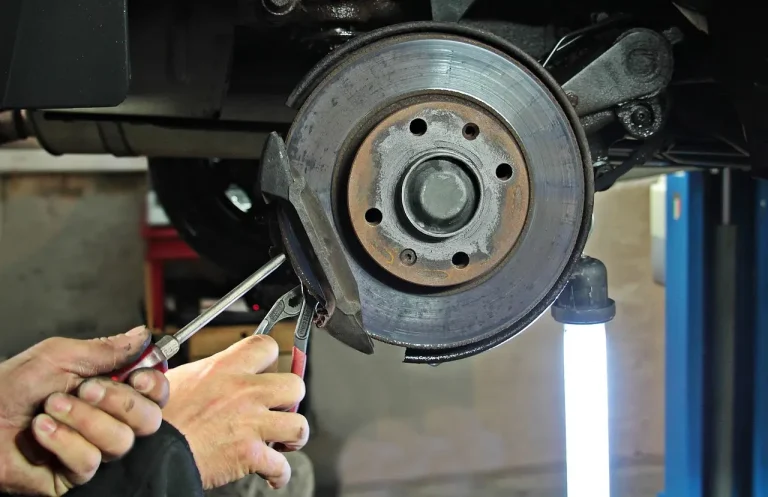
| Brake/suspension wear | Thin pads, worn rotors, tired struts, cracked bushings, loose joints | Moderate, and more if several parts are worn together | Strong when the estimate names specific parts | Sometimes, if the wear affects safety or road feel | Negotiate with the estimate; walk away if safety is compromised or multiple parts are worn | Medium to high |
| Accident evidence | Uneven paint, replaced bolts, misaligned body panels, repaired structure | Can range from moderate cosmetic correction to high repair risk | Very strong if the seller cannot explain it clearly | Yes if structural repair is possible | Walk away unless the repair history is clear and the price reflects the risk | High |
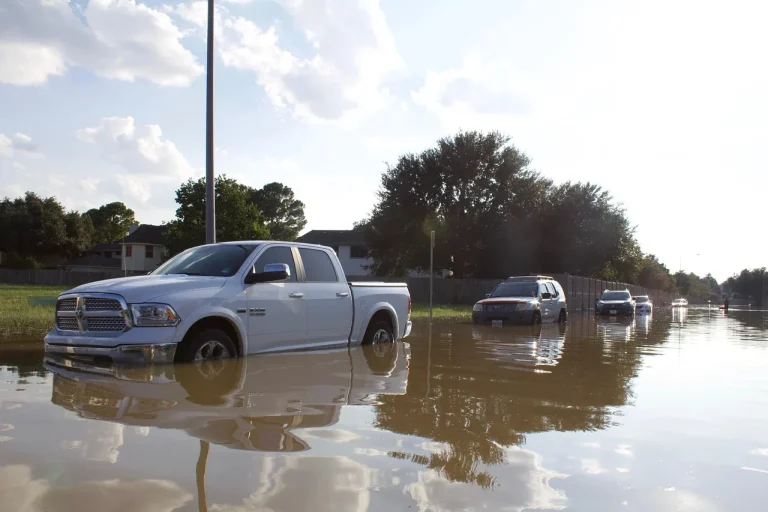
| Flood signs | Water residue, corrosion in odd places, damp smells, electrical issues | High and often unpredictable | Low; the risk is usually bigger than the discount | Yes, but only to confirm your walk-away decision | Walk away | High |
| Transmission concerns | Slipping, harsh shifts, delayed engagement, fault codes, fluid problems | High and often well beyond routine maintenance | Low unless a specialist has already ruled out major damage | Yes | Walk away unless a specialist confirms a minor fix | High |
Frequently asked questions
Should you get a pre-purchase inspection on a used car?
Yes, especially when the car is a private-party sale, older, higher-mileage, or priced high enough that one major repair would hurt your budget. A PPI is most useful when it changes your action: buy, negotiate, or walk away. It is less useful when you ignore the report.
When should you do a pre-purchase inspection?
Do it before any money becomes nonrefundable and before you sign papers. That timing lets the report guide your decision. If the seller will not allow a pre-sale inspection, treat that as a risk signal, not a minor inconvenience.
How do you get a pre-purchase inspection on a used car?
Choose an independent mechanic or mobile inspector, confirm that the seller will cooperate, and schedule the visit before you commit. Ask for a road test, diagnostic scan, underbody check, and written repair estimate. The estimate is what turns the report into a negotiation tool.
Should I get a pre-purchase inspection before buying a used car from a dealer?
Often yes, even though dealer inventory is usually less risky than a private sale. A dealer car can still hide wear, prior damage, or deferred service. If the vehicle is expensive, older, or sold with limited records, an independent inspection still makes sense.
Should I get a pre-purchase inspection before buying a private party used car?
Yes. Private-party purchases carry more risk and less recourse, so the inspection matters more. If the seller refuses, that refusal should weigh heavily in your decision. In many private sales, a refusal is reason enough to move on.
How much does a pre-purchase inspection cost?
Inspections typically cost $140 to $300. That is small compared with the repair exposure from engine, transmission, brake, suspension, or collision problems. The right way to judge the fee is against the cost of a bad surprise, not against the sticker price alone.
Can you skip a pre-purchase inspection if the car has a clean vehicle history report?
You can, but it is a poor substitute for a physical inspection. A history report may not show leaks, bad repairs, wear, or flood clues that a mechanic can catch. If the car is older, private-party, or expensive, a clean report is not enough to skip the PPI.